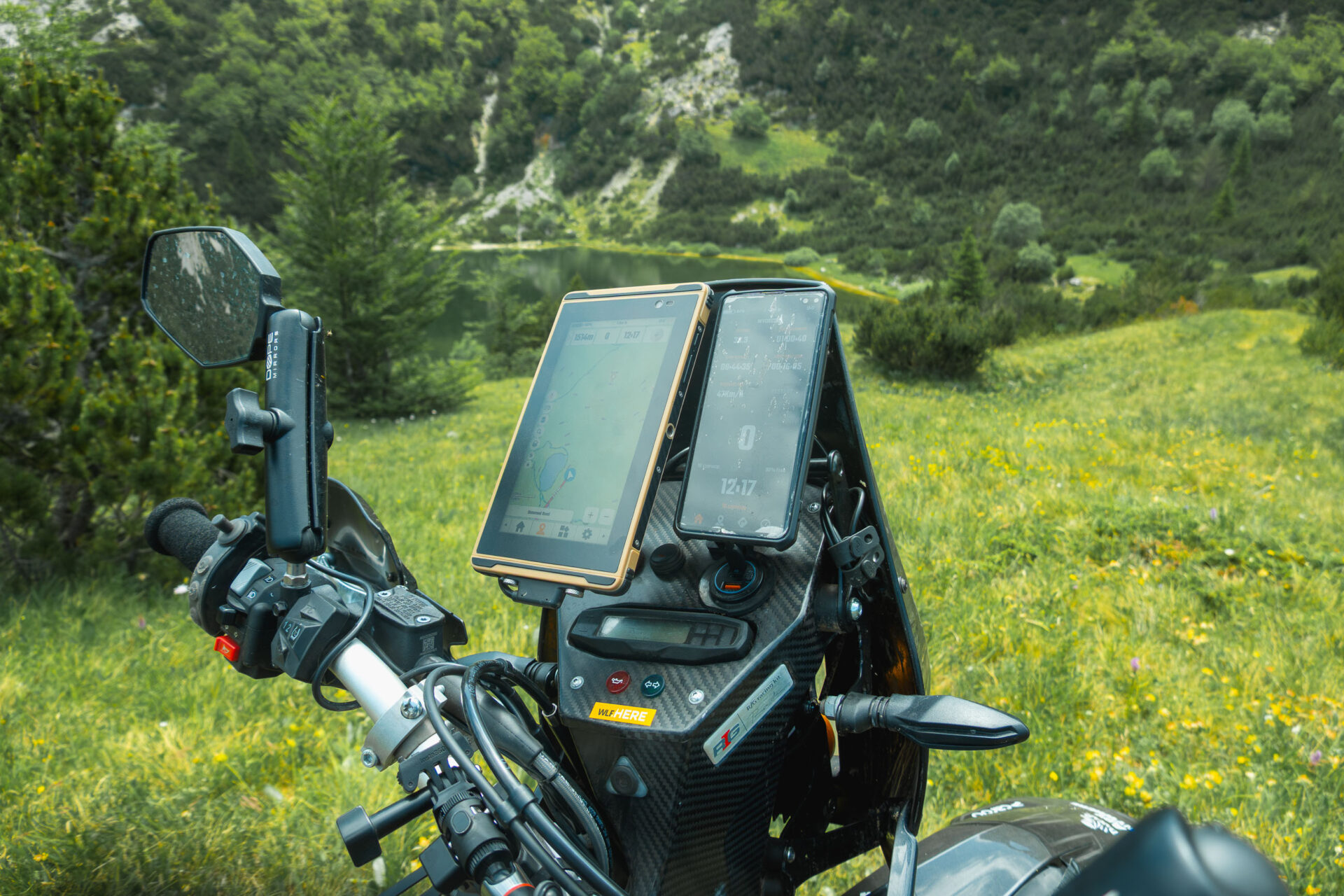

The Best Motorcycle Phone Mount
There’s no shortage of motorcycle phone mounts. For me, the best one is the one I can pretty much forget about while I’m riding. That matters more to me than how rugged or elaborate it is.
The less kit I have playing up and giving me grief, the more time I have to explore. I can give my attention to what I actually want to focus on.
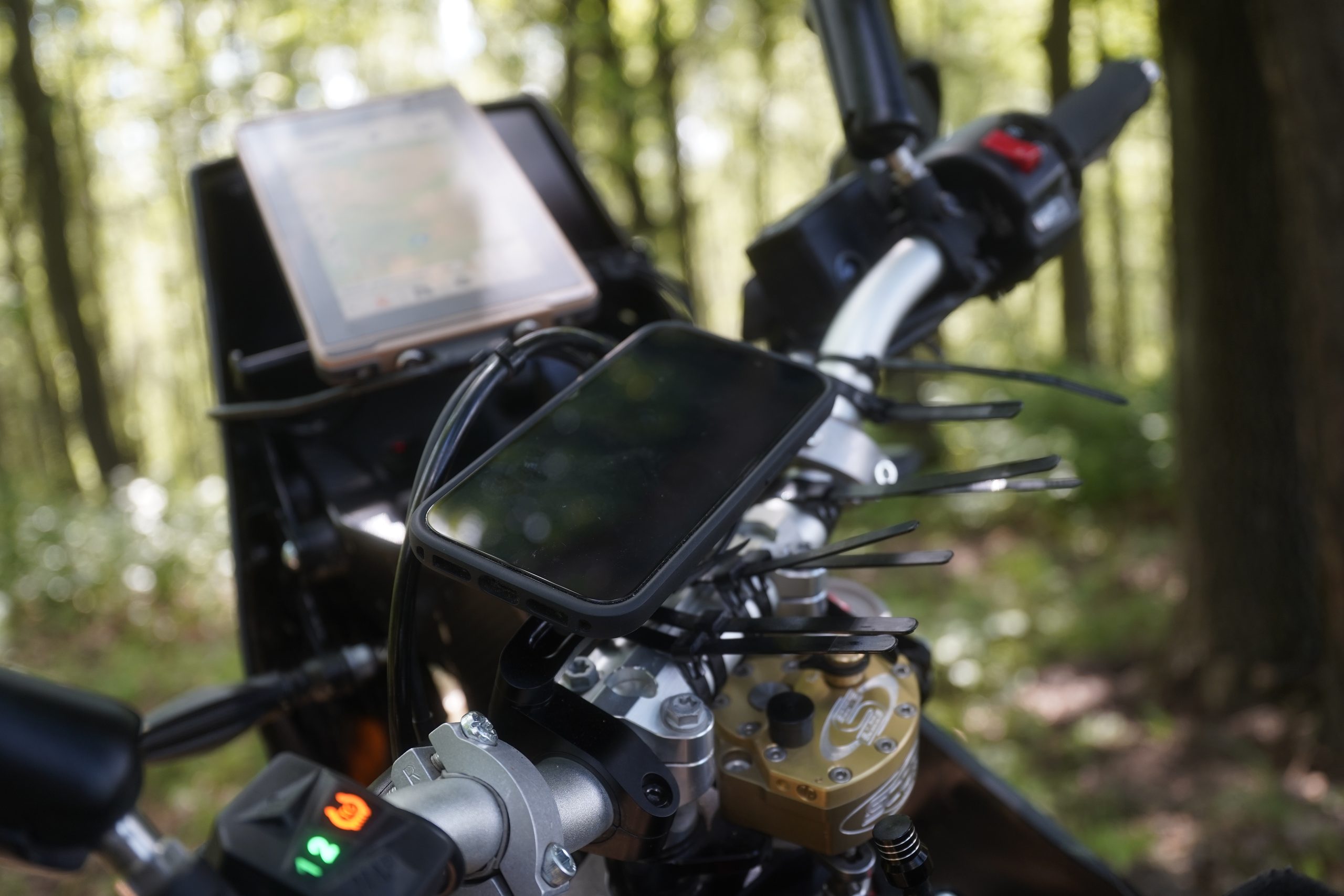
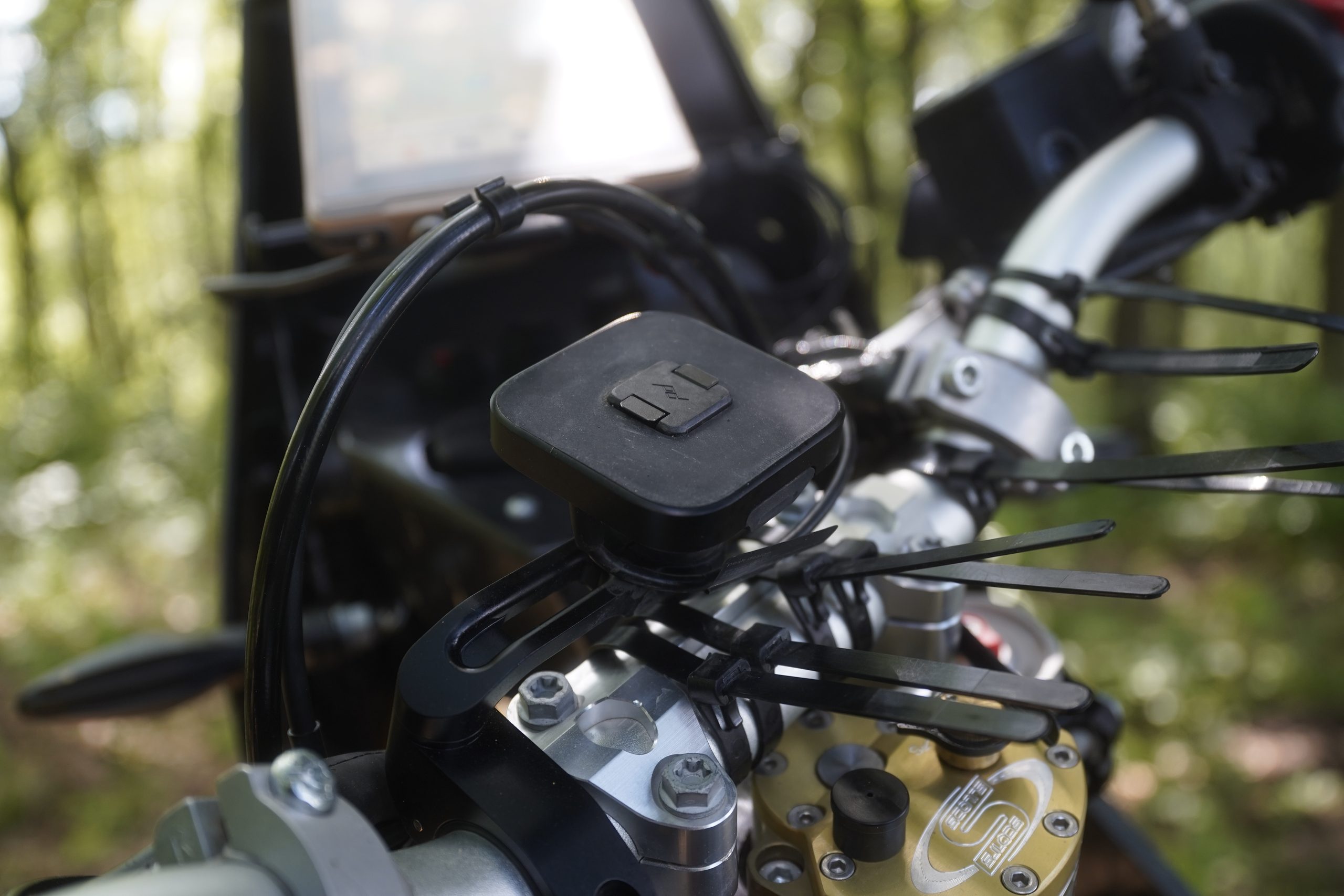
The phone has to sit securely, be protected from vibration, and go on with one hand and come off just as quickly. Ideally, I can do all that without twisting it, lining it up with a catch, or wrestling with the mount, especially in gloves.
And that’s where the Peak Design Motorcycle Bar Mount makes the biggest difference.
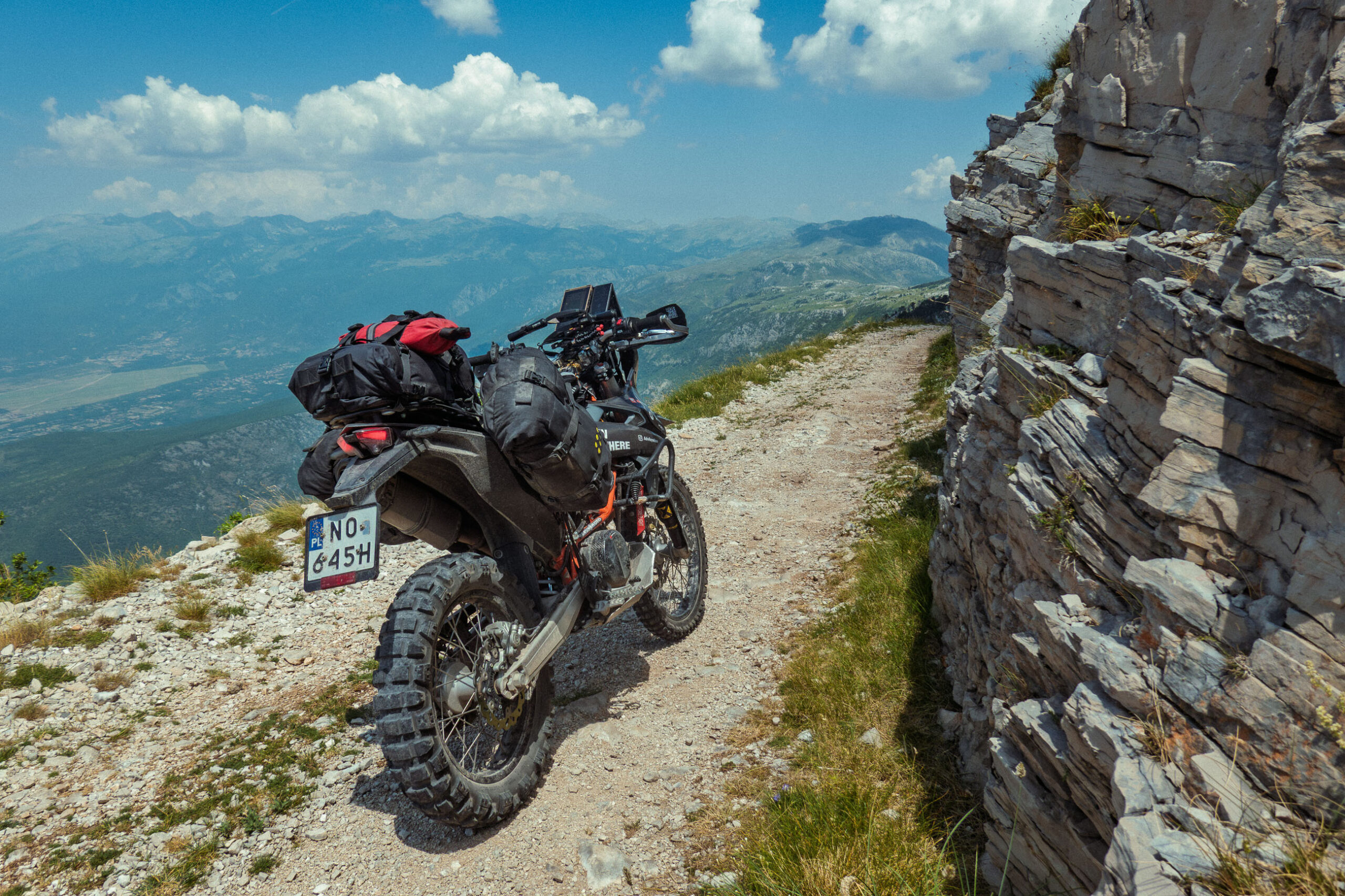
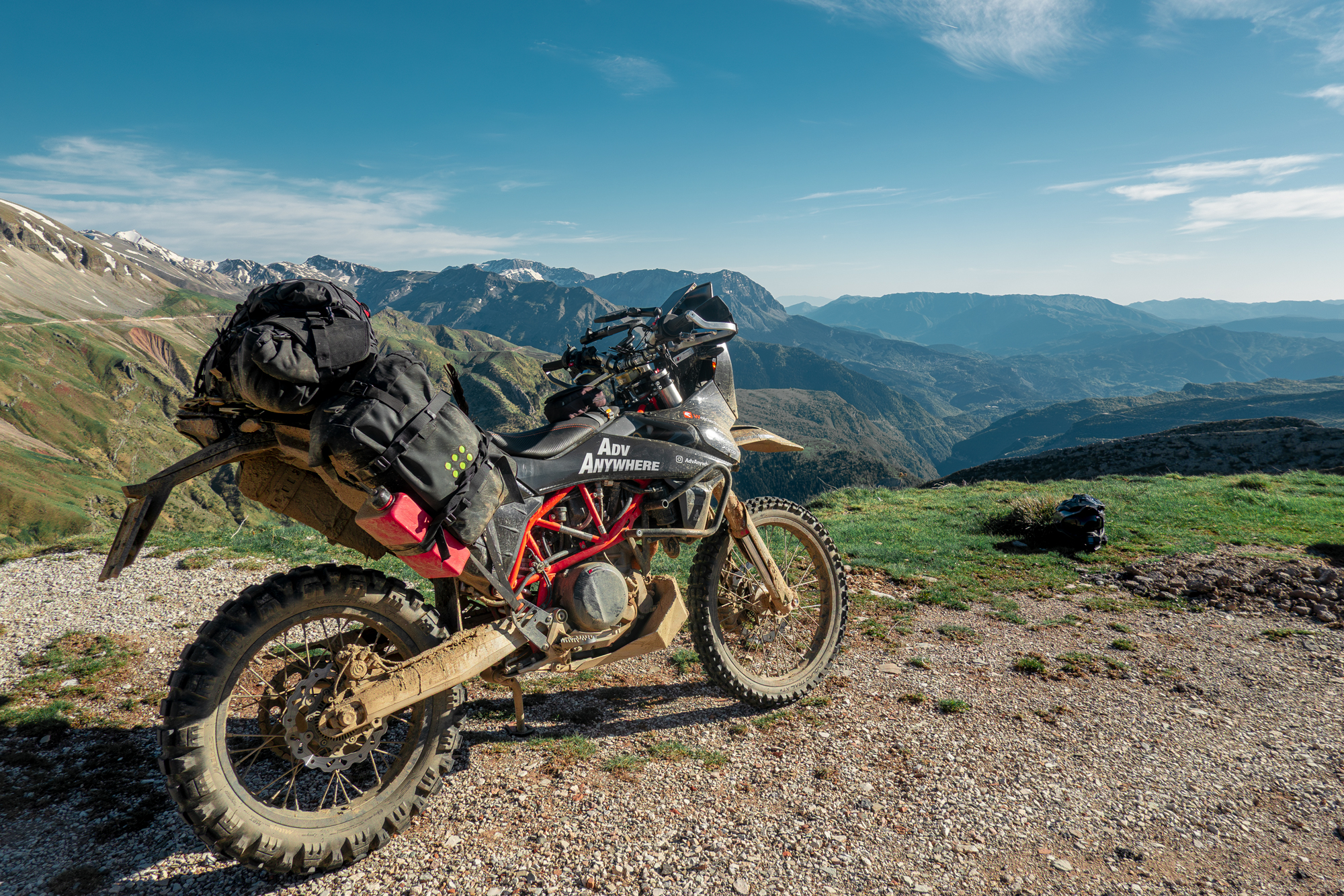
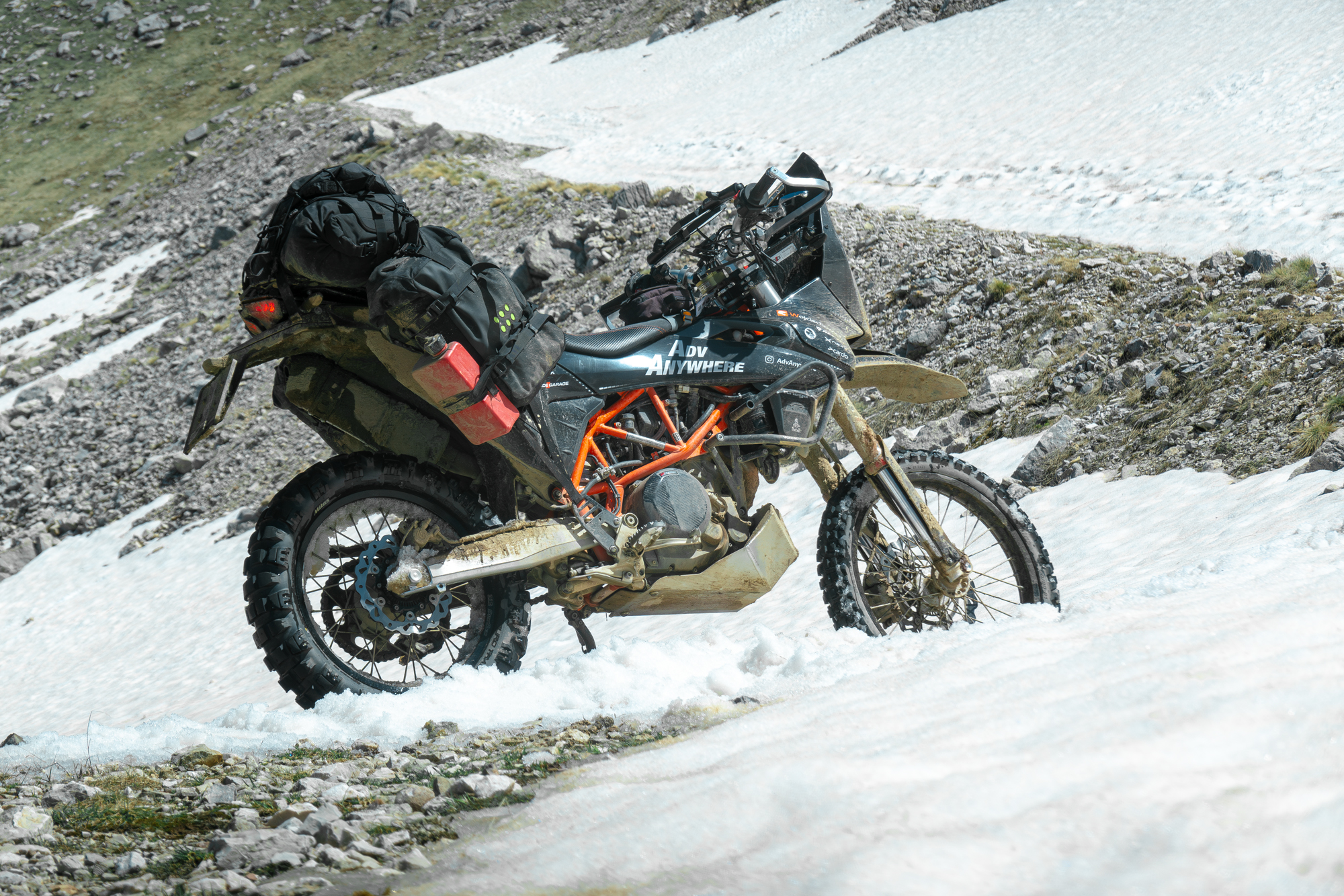
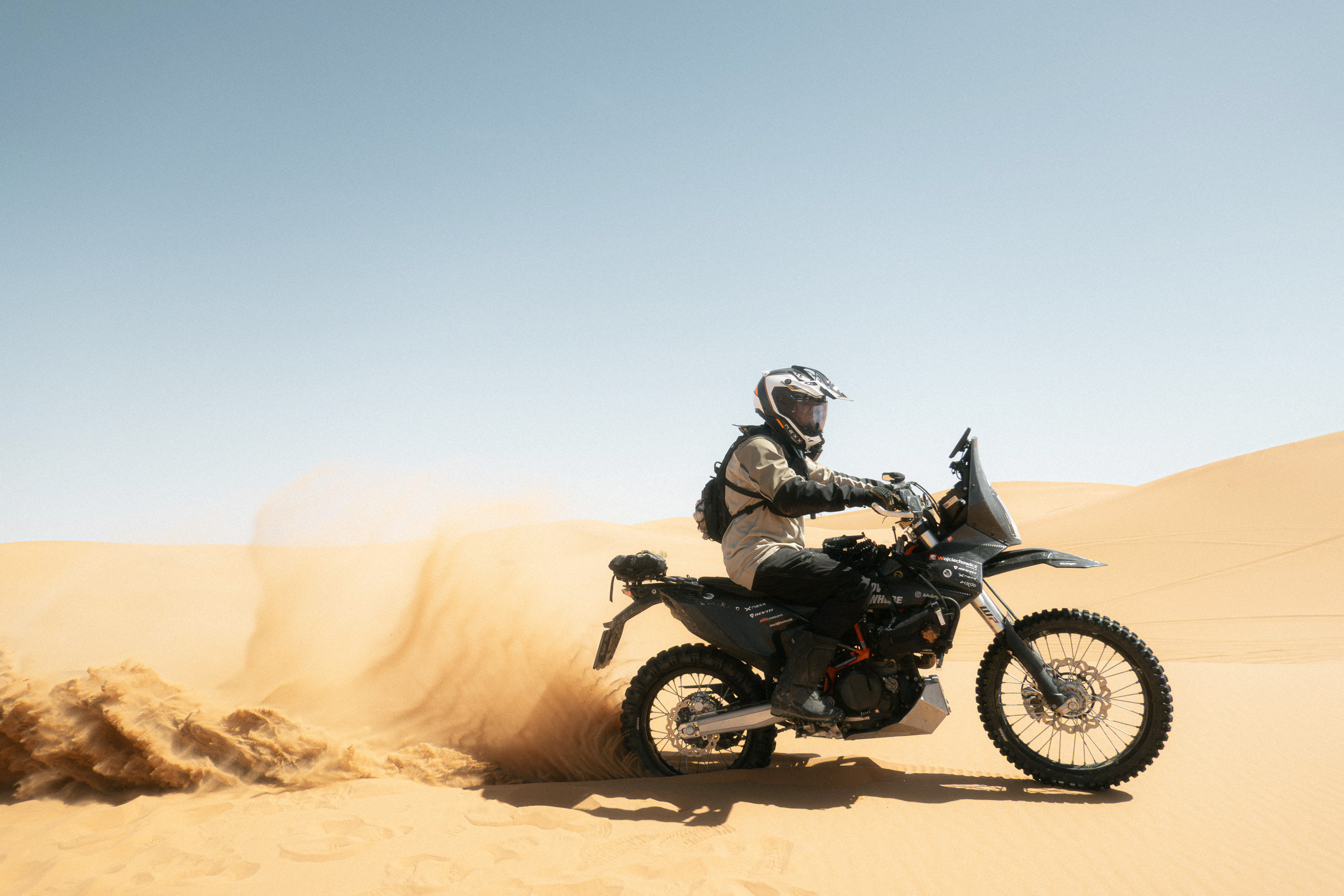
My Peak Design gear hasn’t exactly had an easy life. Riding my KTM 690 Enduro R through Morocco, Bosnia and Herzegovina, and along Trans Euro Trail routes gave me a chance to put plenty of kit through its paces in tough real-world conditions. Sand, rocks, corrugations and the vibrations of a big single make for a much better test than the daily ride across town or influencers rattling off their so-called reviews.
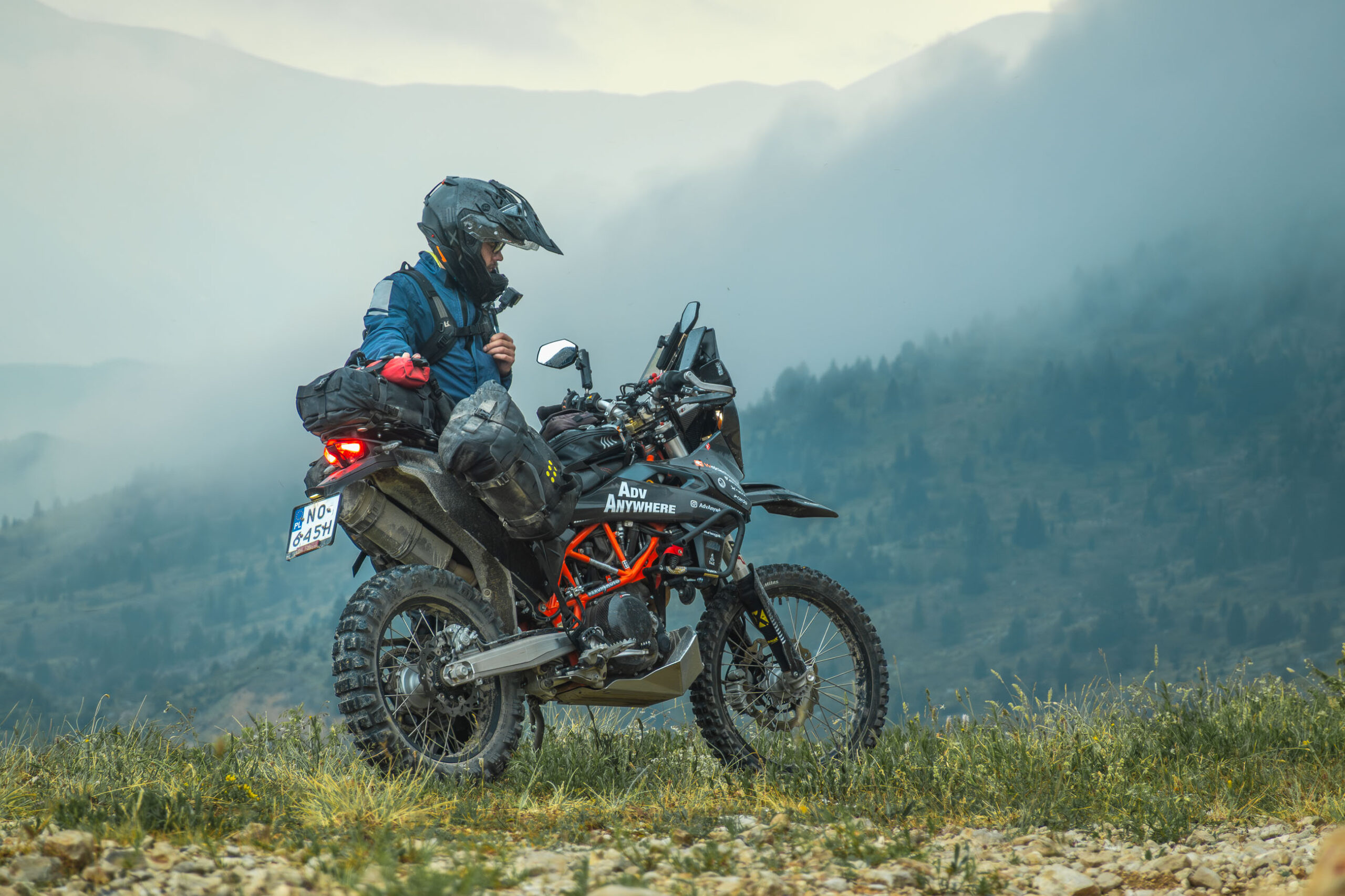
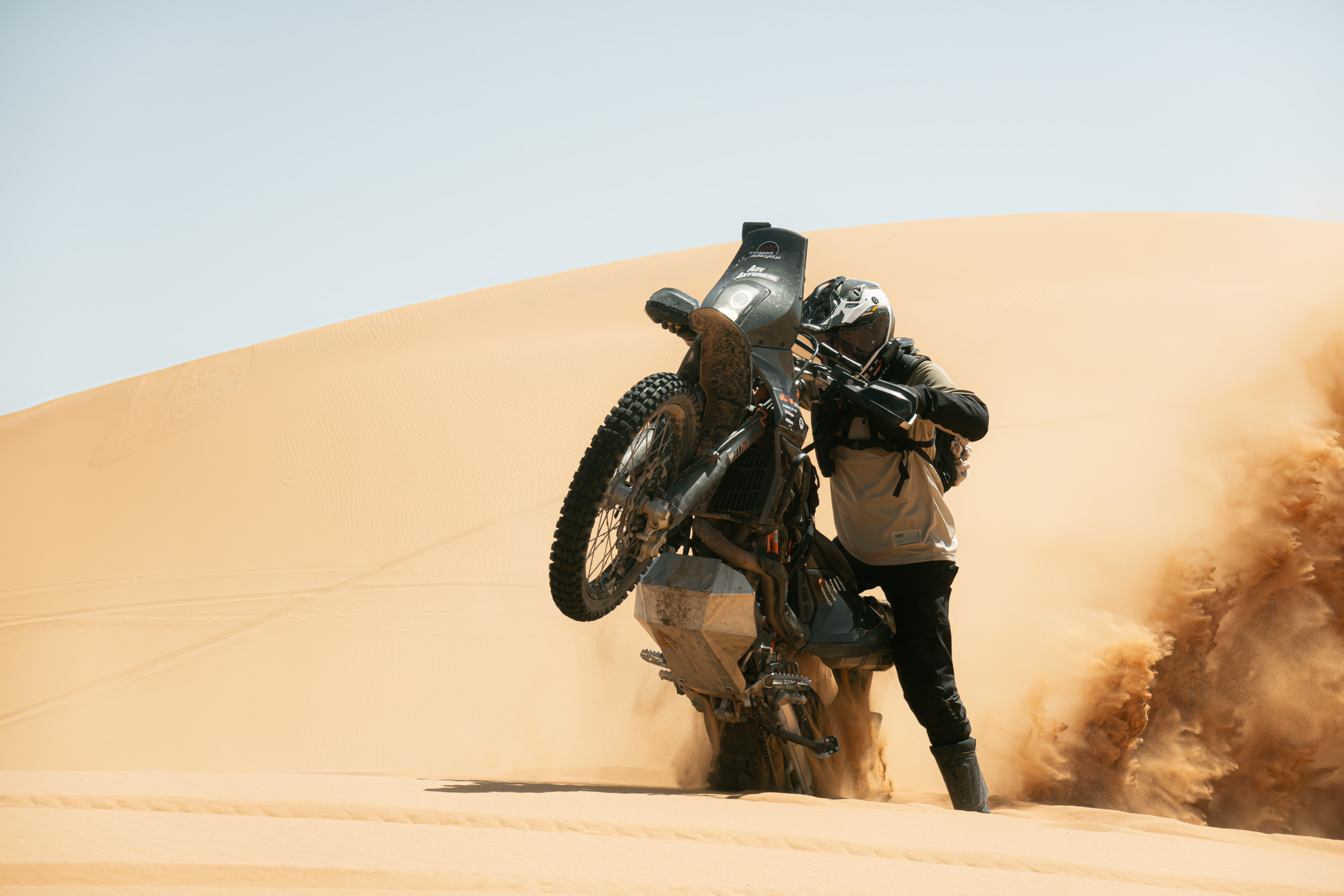
After those trips, it’s the way the mount works that I appreciate most. The aluminium, the magnets and the latest technology with a fancy name matter a lot less to me. I can put the phone on with one hand and take it off just as easily. No lining it up, twisting it or wrestling with the mount.
In short: Peak Design is expensive, but the SlimLink latch does the job. After a few days, you stop thinking about the mount and just use it.
Why Peak Design?
I first came across Peak Design through photography, long before I tried the phone mount. I was looking for a way to carry my camera outside my backpack and found the Capture Clip.
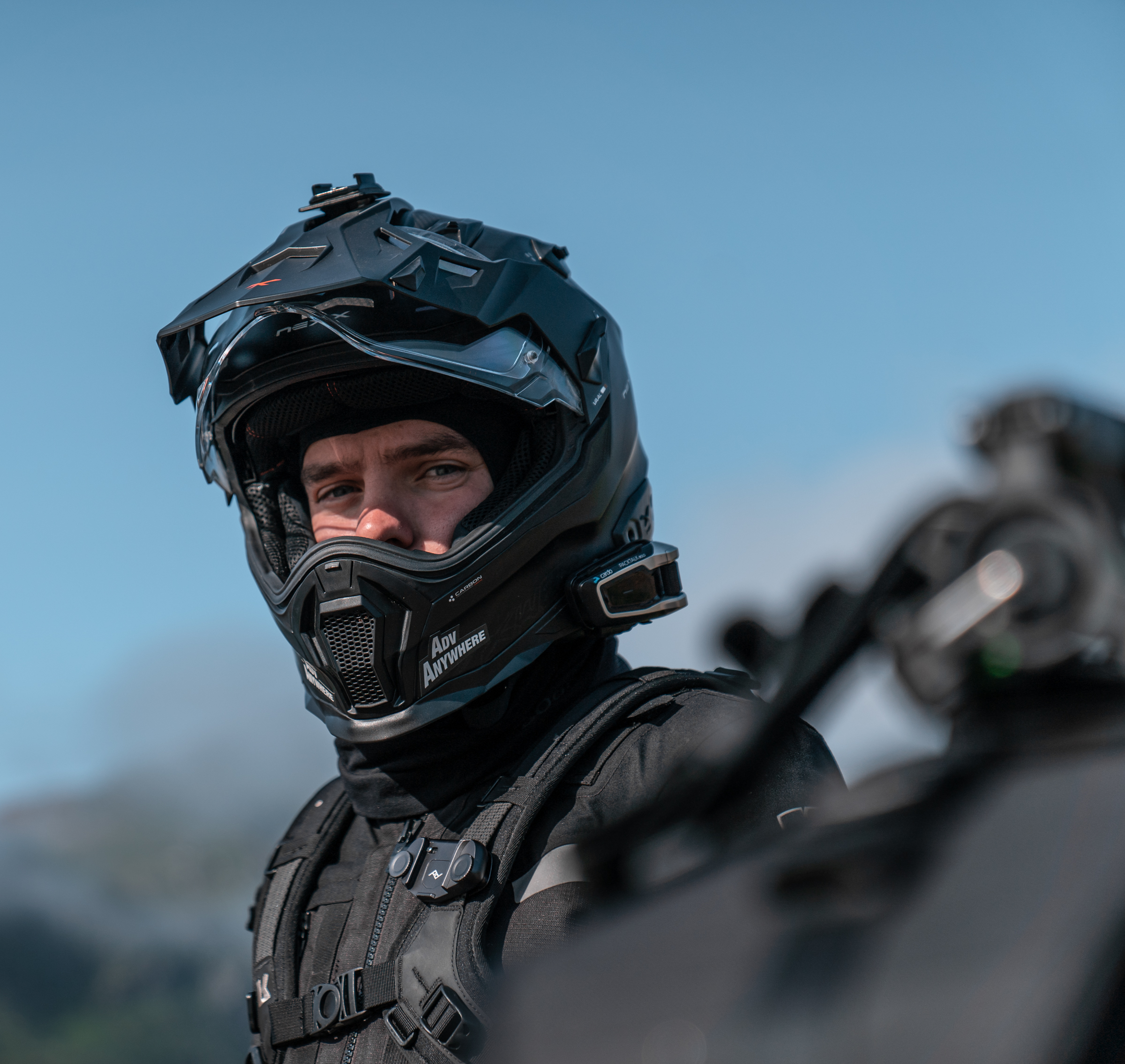


You screw a small plate onto the camera, slide it into the clip on your backpack strap, and that’s it. The camera sits securely, and I can still pull it out with one hand. It’s great on the bike and on mountain hikes. My camera is right there when I need it, without having to dig into my backpack.
Capture showed me that Peak Design could make a simple latch that holds really well. When the motorcycle phone mount came out, I knew it was worth a look.
KTM 690, Morocco, Bosnia and Herzegovina, and the TET
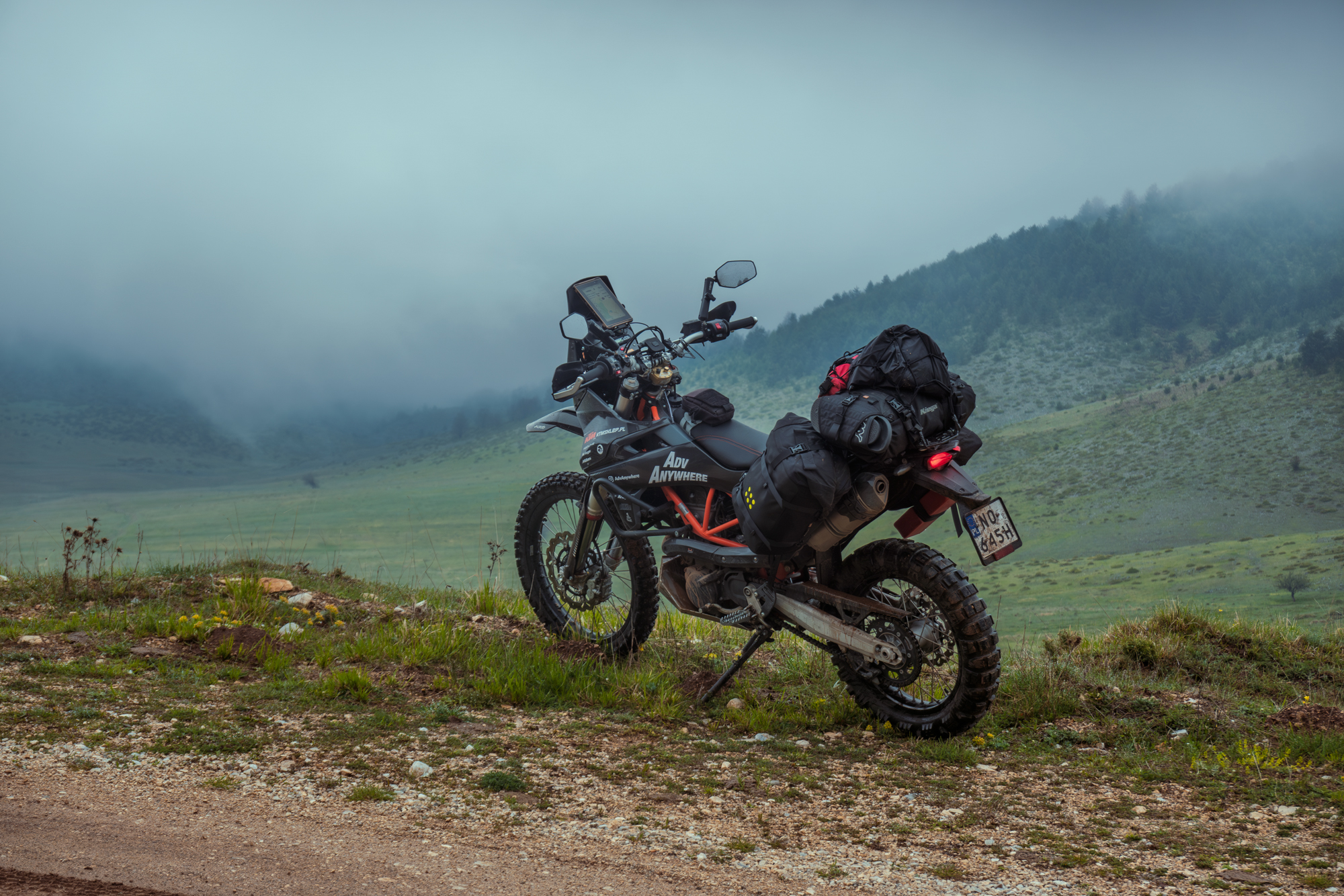
The KTM 690 Enduro R is a great test for accessories. That big single-cylinder engine vibrates at different frequencies, so if something comes loose, starts turning, or just gets on your nerves, you’ll find out soon enough.
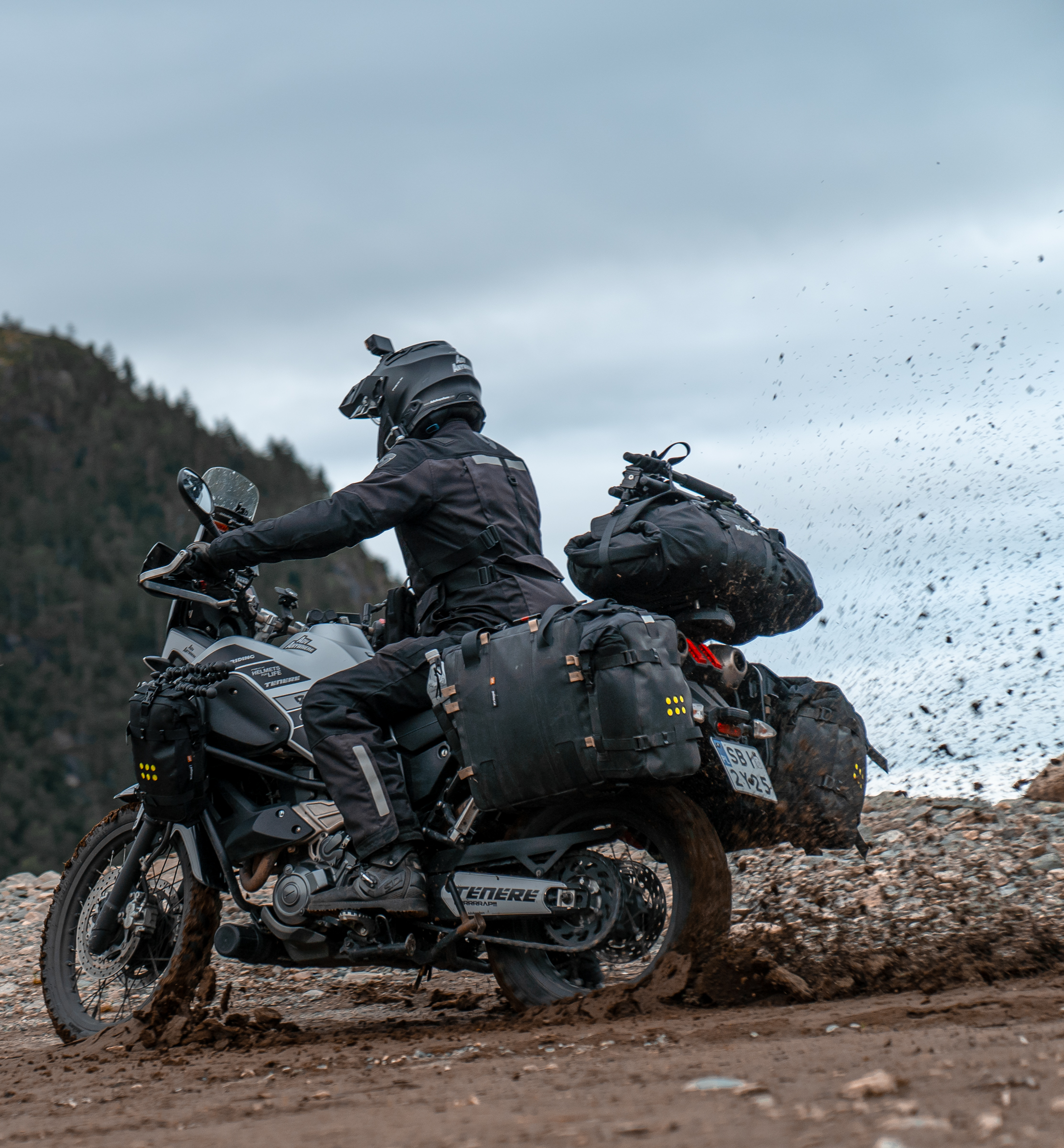
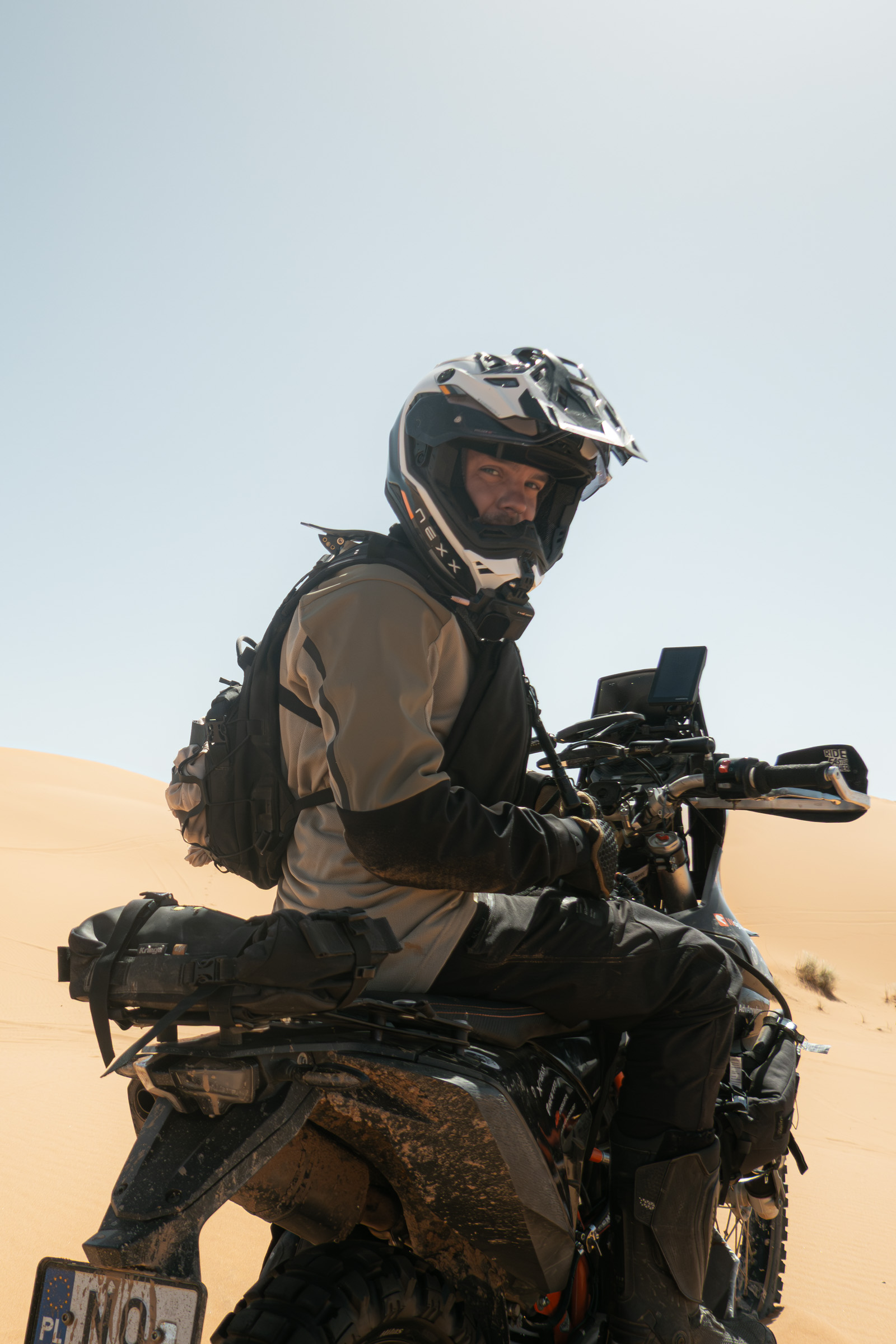
I used the mount on TET routes in Bosnia and Herzegovina and on my trip through Morocco. Out there, you take your phone off the bike a lot. You do it when you stop for fuel, check the route, take photos or look for somewhere to stay.
That’s when you notice the difference between a mount that holds the phone and one that’s actually nice to use.
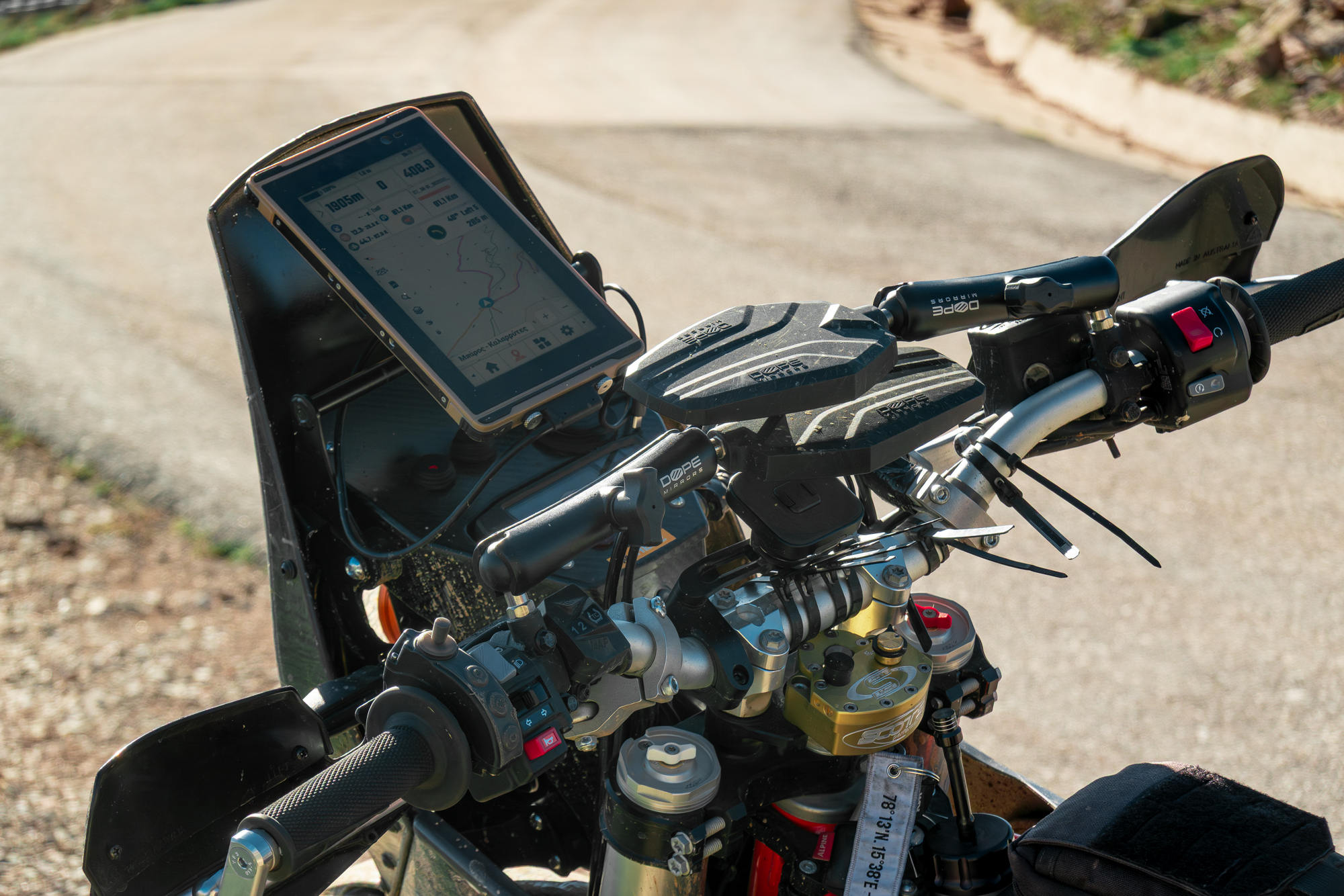
Peak Design falls into the second camp. The screen is easy to read, I can set the head at the angle I want, and the mechanism only takes one hand to use. It works the same with gloves on.
The SlimLink latch does the job
There’s more to SlimLink than a magnet.
The magnets guide the phone into place and a mechanical latch holds it there. Bring the phone up to the mount, let it line itself up, hear the click and off you go.
Taking it off is the best part, though.
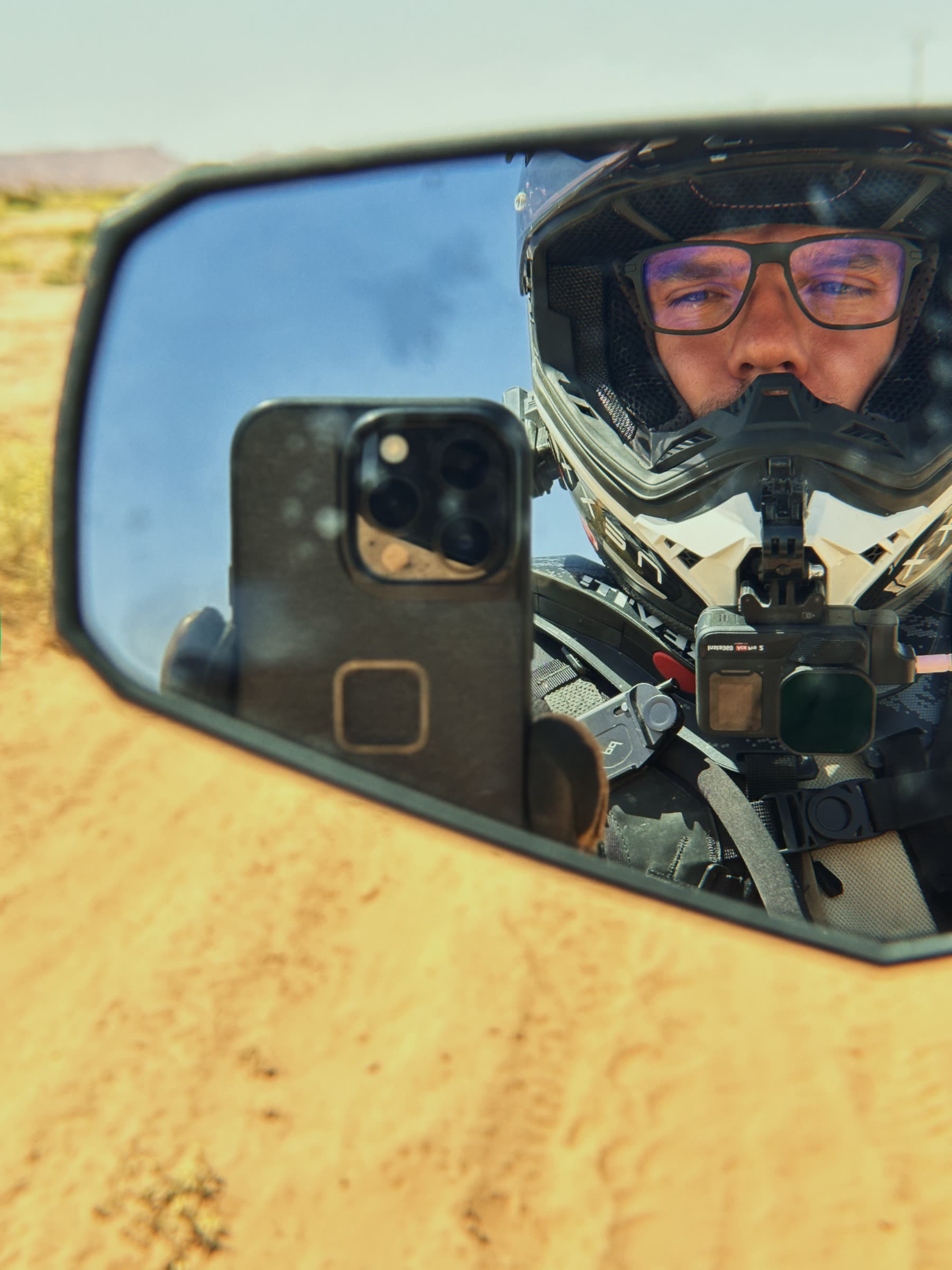
There are release buttons on both sides of the mount, so I can use either hand, with my thumb or index finger. Lifting the phone off the mount feels almost as natural as picking it up from a table.
It sounds like a small detail, but when you take your phone off the mount a dozen times, or even several dozen, in a day on the road, you really start to appreciate it.
One case, several uses
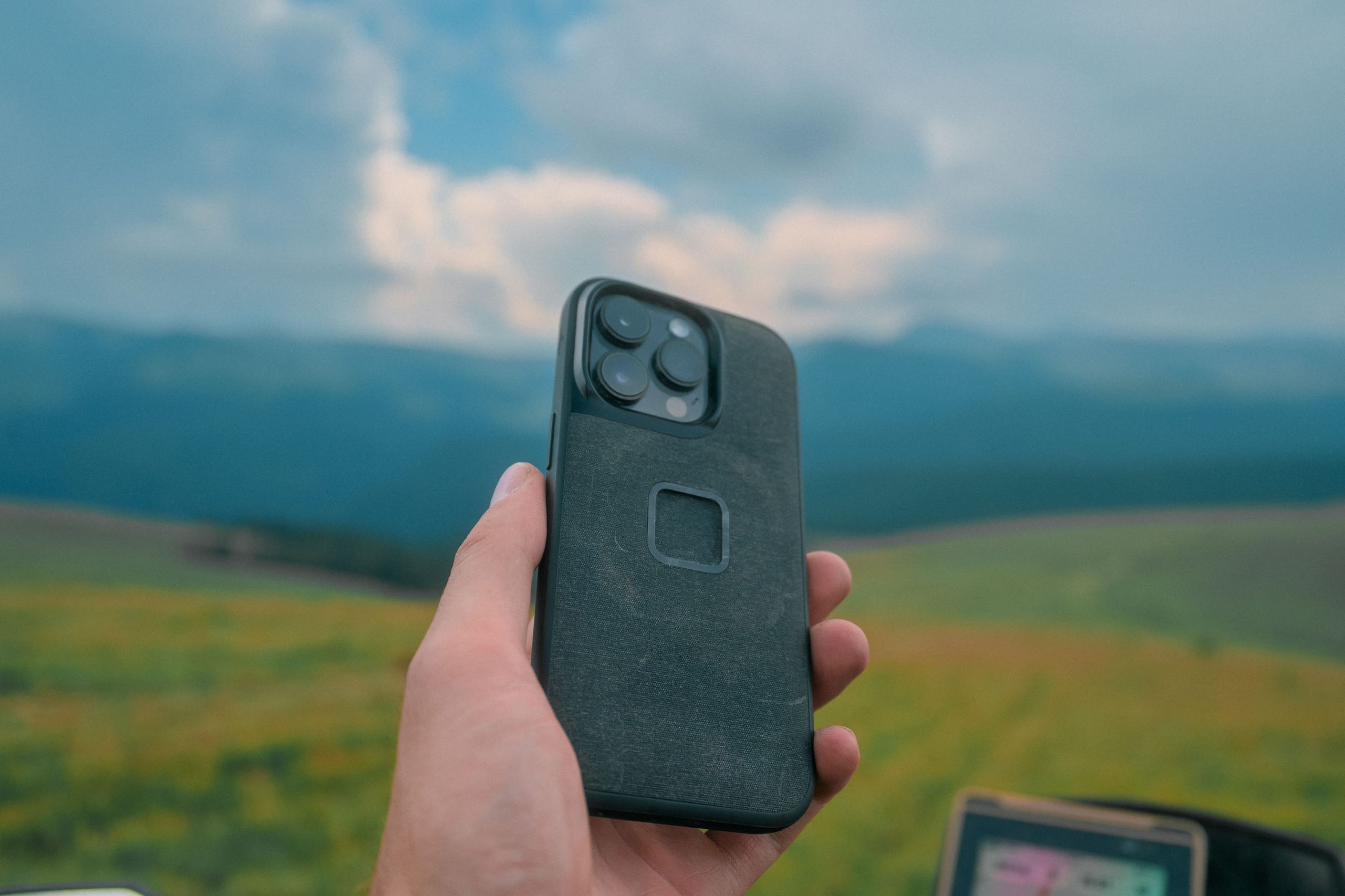
The Peak Design Everyday Case is slim, sturdy, and comfortable to hold. It doesn’t look like a typical heavy-duty motorcycle case, so I never take it off.
The biggest advantage, though, is how the whole system works together.
The same case works on my bike, in the car, and with my other Peak Design accessories. I don’t have to swap cases or stick on extra adapters before every trip.
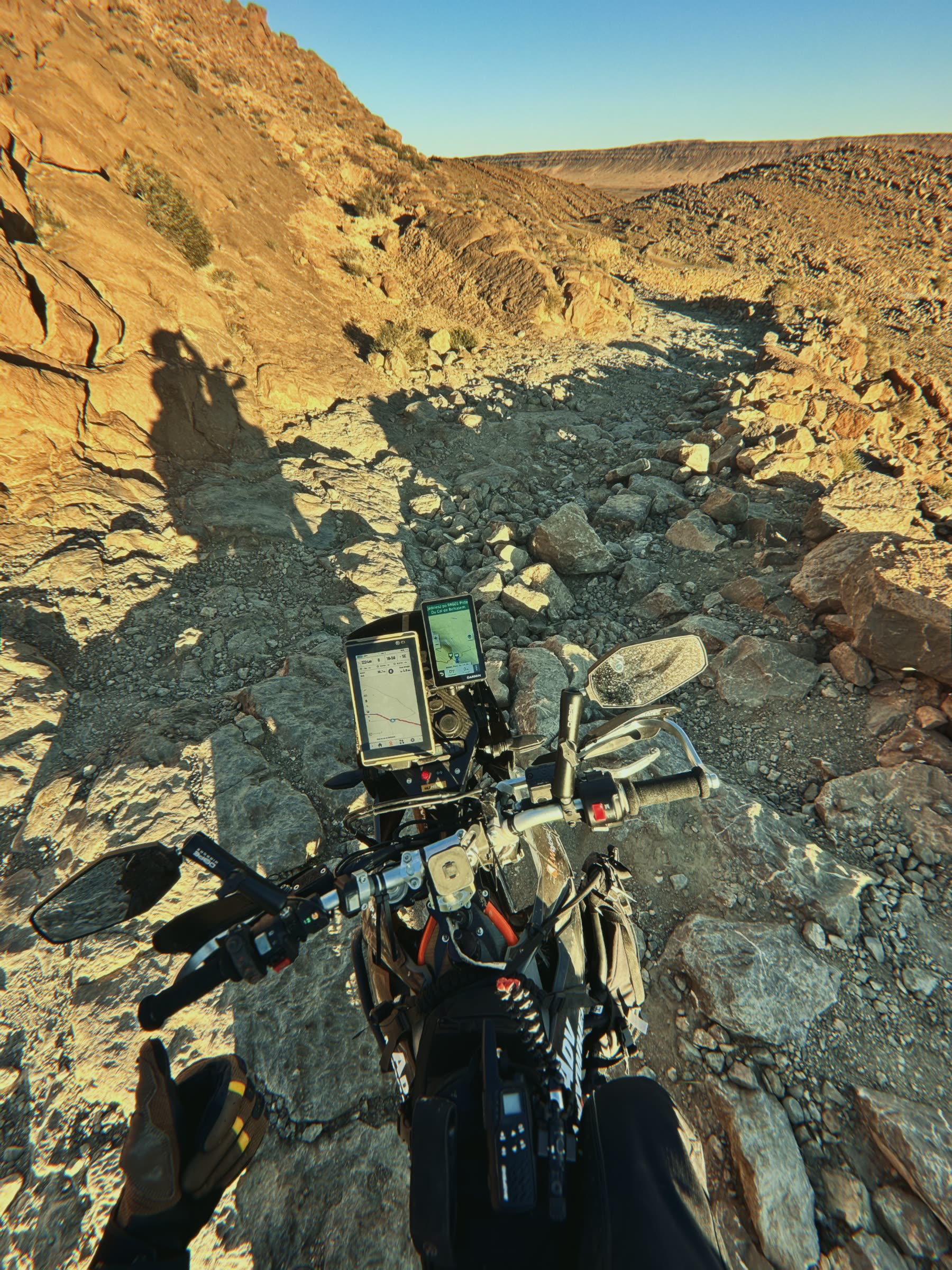
KTM 690
On the bike, I use the Motorcycle Bar Mount with vibration damping and wireless charging.
Suzuki Jimny
I’ve got another mount in my Suzuki Jimny. I get in, put the phone on the mount, and go. No swapping cases or moving bits from one setup to another.
Mobile Tripod
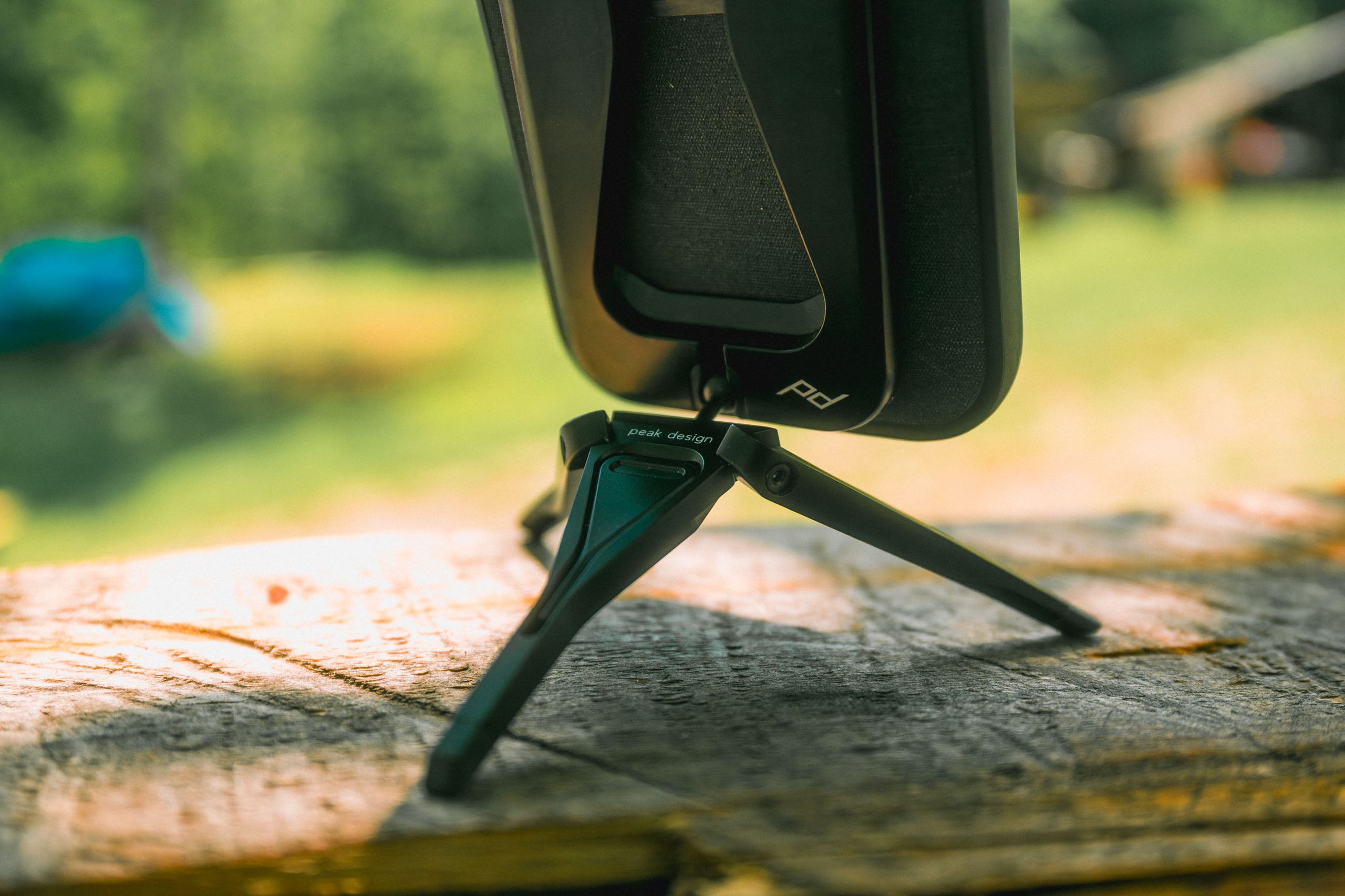
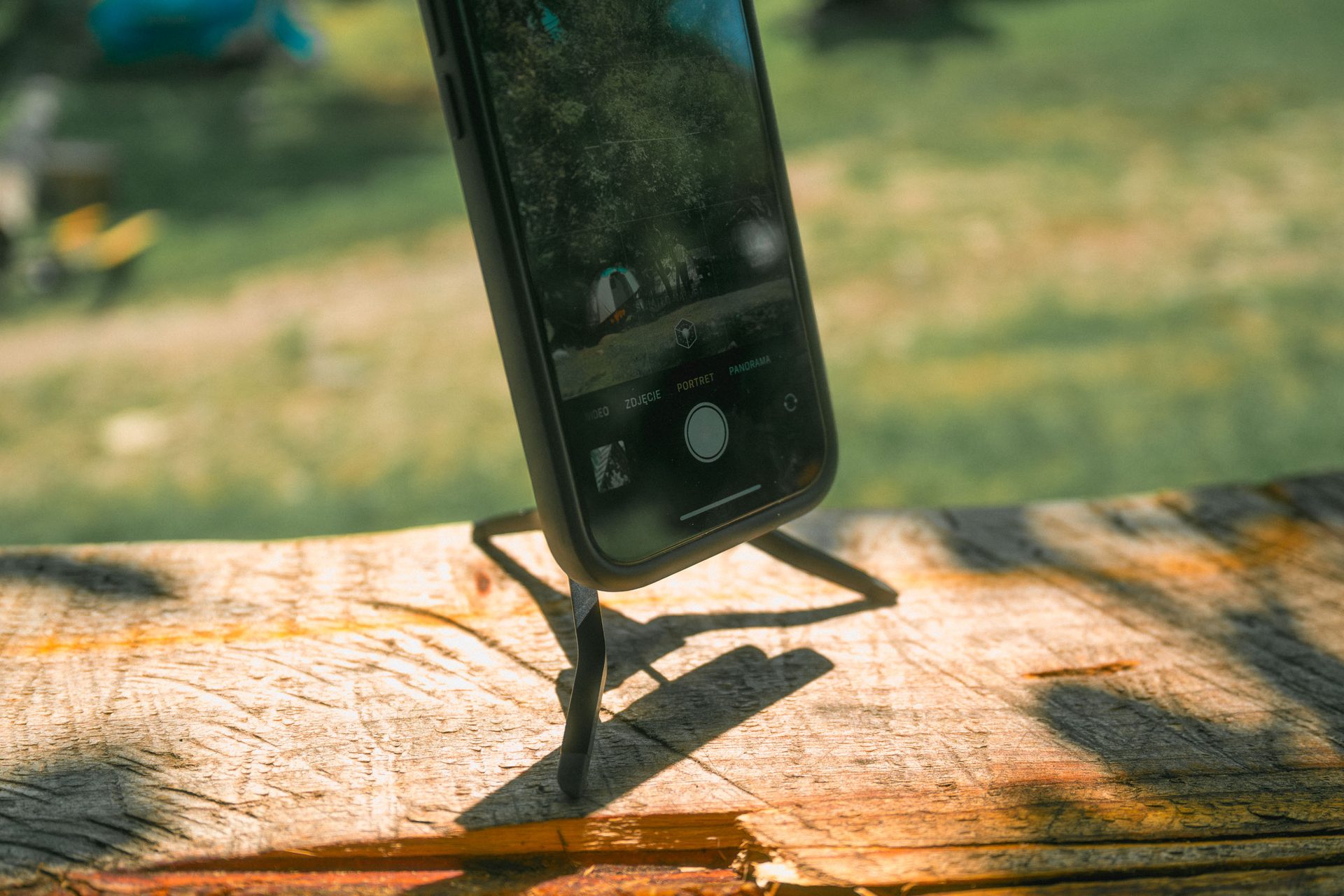
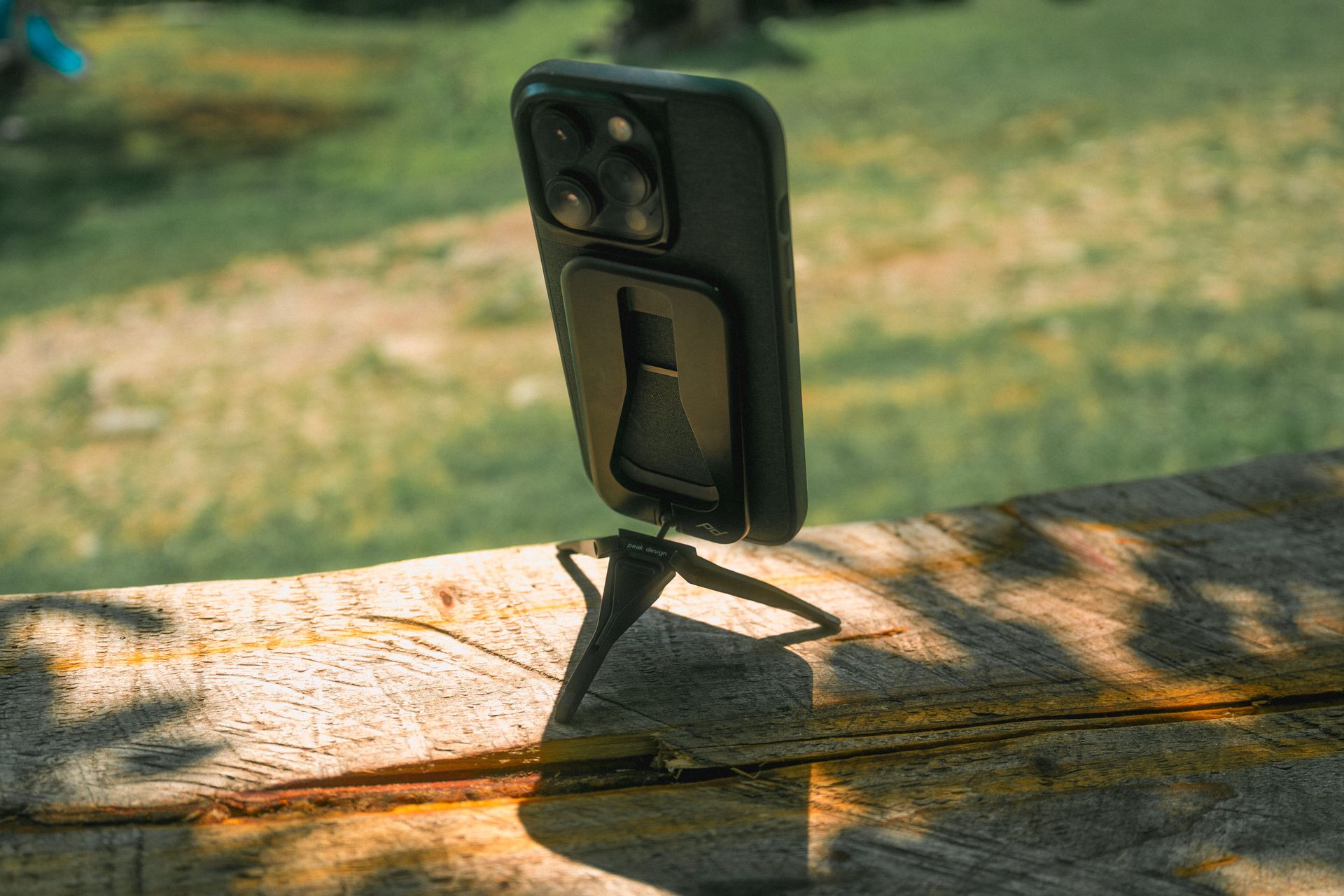
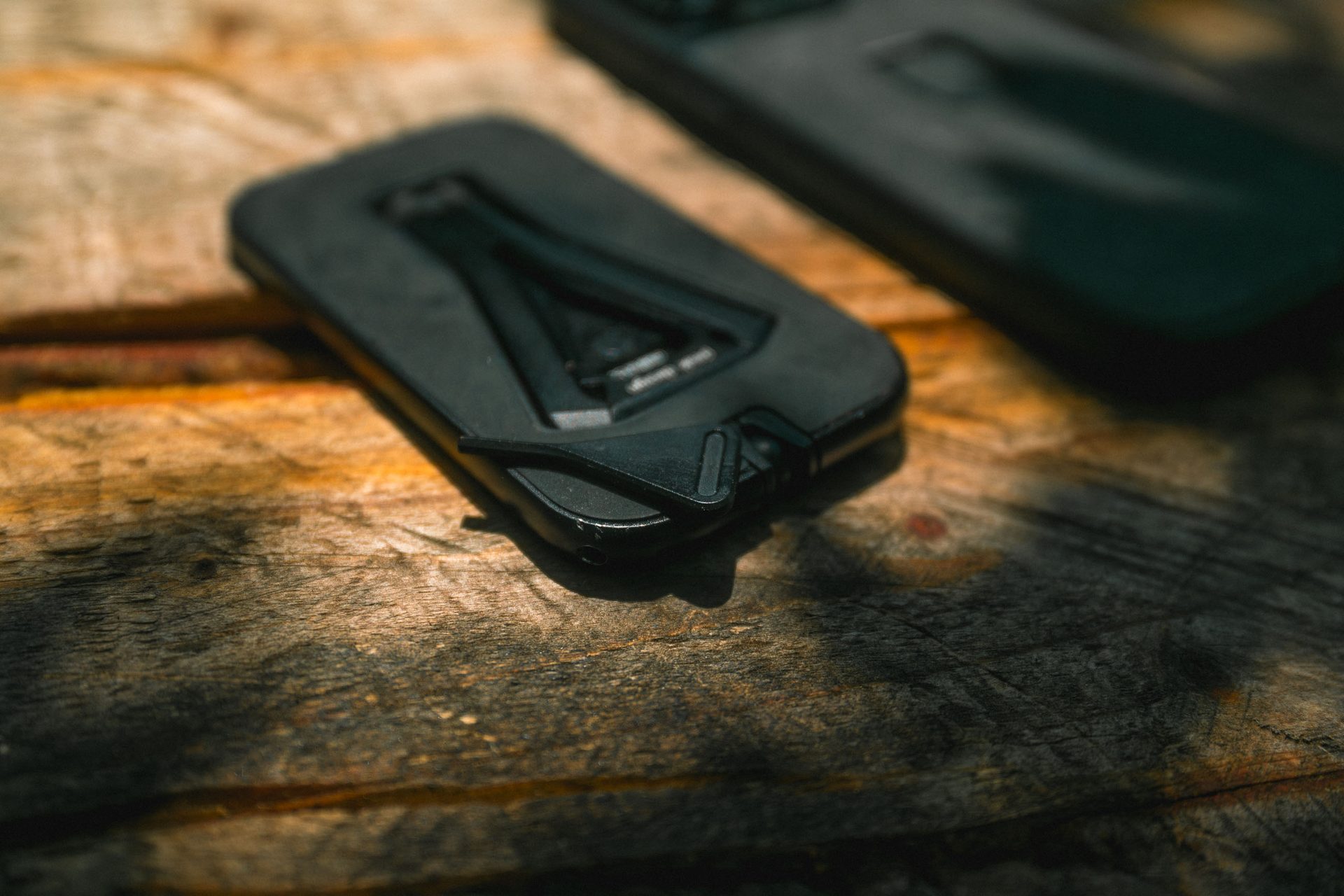
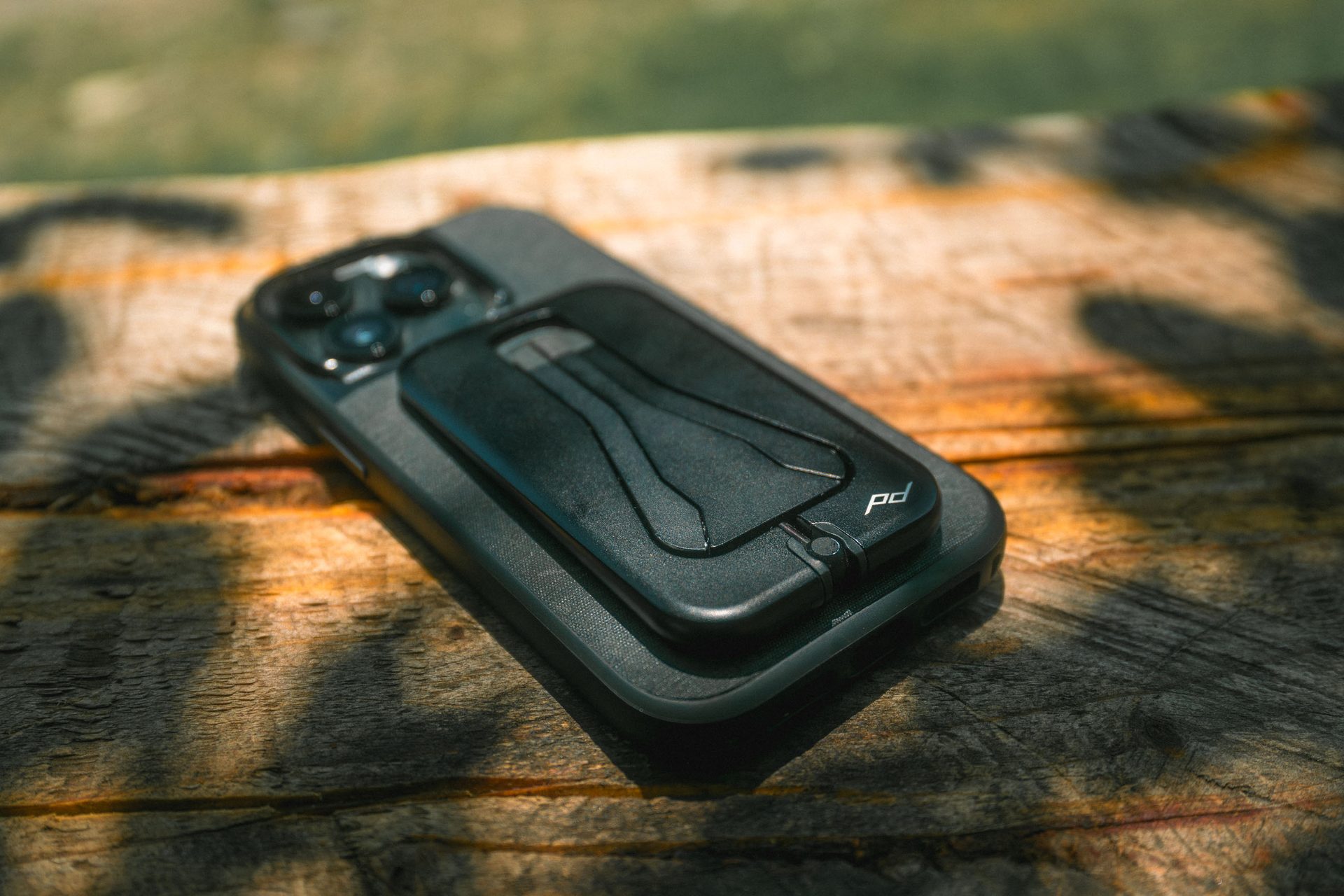
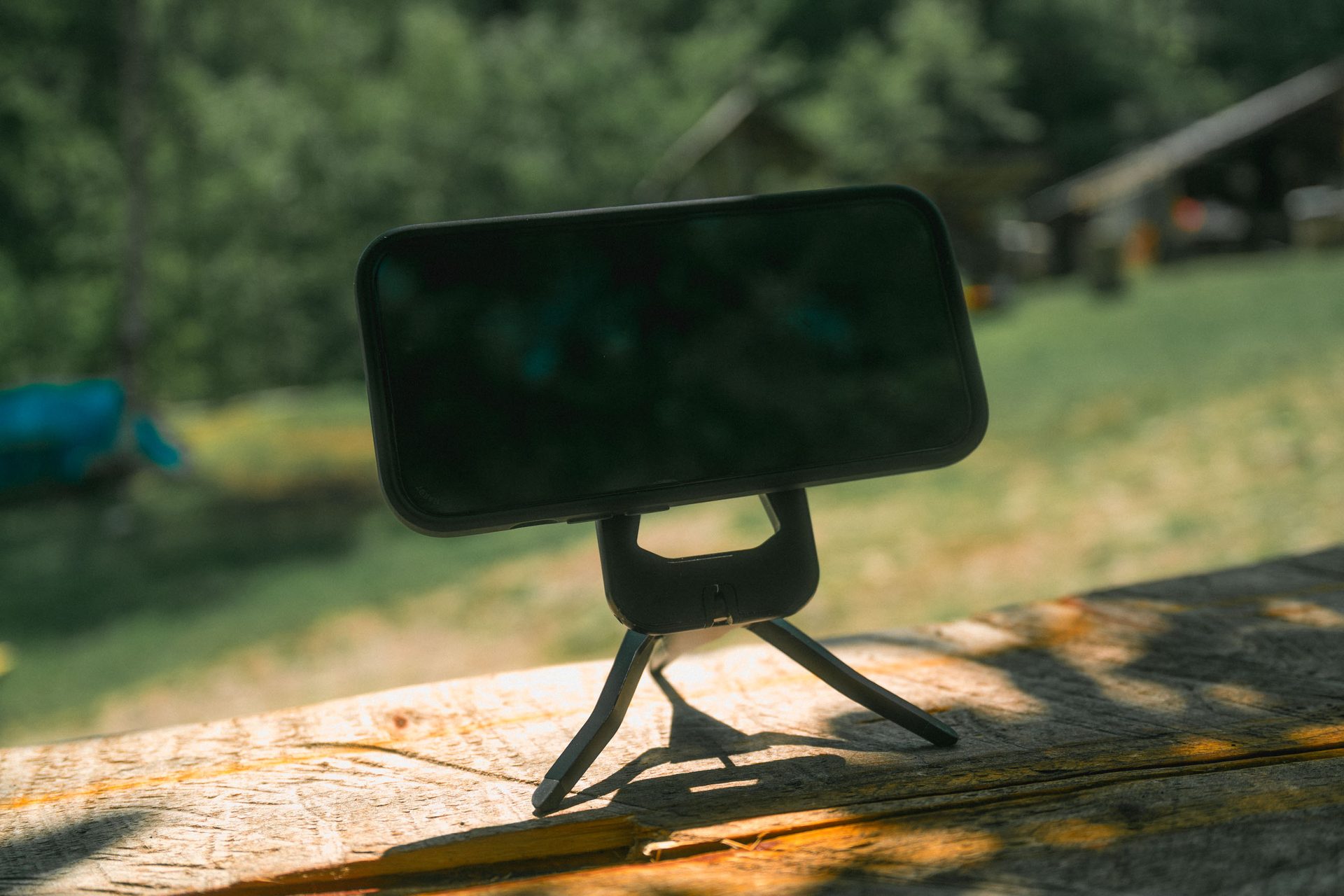
I also have the Peak Design Mobile Tripod, which attaches to the phone. It’s small and flat enough to leave on pretty much all the time. Handy for photos, time-lapses or filming something while I’m travelling.
Wireless charging on a motorcycle
I went for the Motorcycle Bar Mount with wireless charging.
For me, that makes a lot more sense than plugging a USB cable straight into the phone. I don’t have to remember to plug it back in after every stop. I put the phone on the mount and it starts charging on its own.
The current version from Peak Design offers up to 15 W of Qi2 wireless charging for compatible phones. You can power the mount with different cables, so you can set it up to suit your bike.
How do you power the Peak Design Motorcycle Bar Mount?
Peak Design gives you a few ways to power the charger.
You can use a USB-C, USB-A, or SAE cable, depending on how you want to wire it up.
On my KTM, I went with SAE. I added a separate on/off switch on the handlebars, too. It’s a small thing, but it comes in handy.
When I’m navigating, the phone is running the screen at high brightness, using GPS and mobile data, and charging at the same time. Leave it sitting in direct sunlight for a few hours on top of that, and it can get really hot. It was especially noticeable in Morocco. If I see the phone getting too hot, I switch off the charger with one press. There’s no need to unplug anything or pull over just to cut the power. Once the phone cools down, I turn it back on.
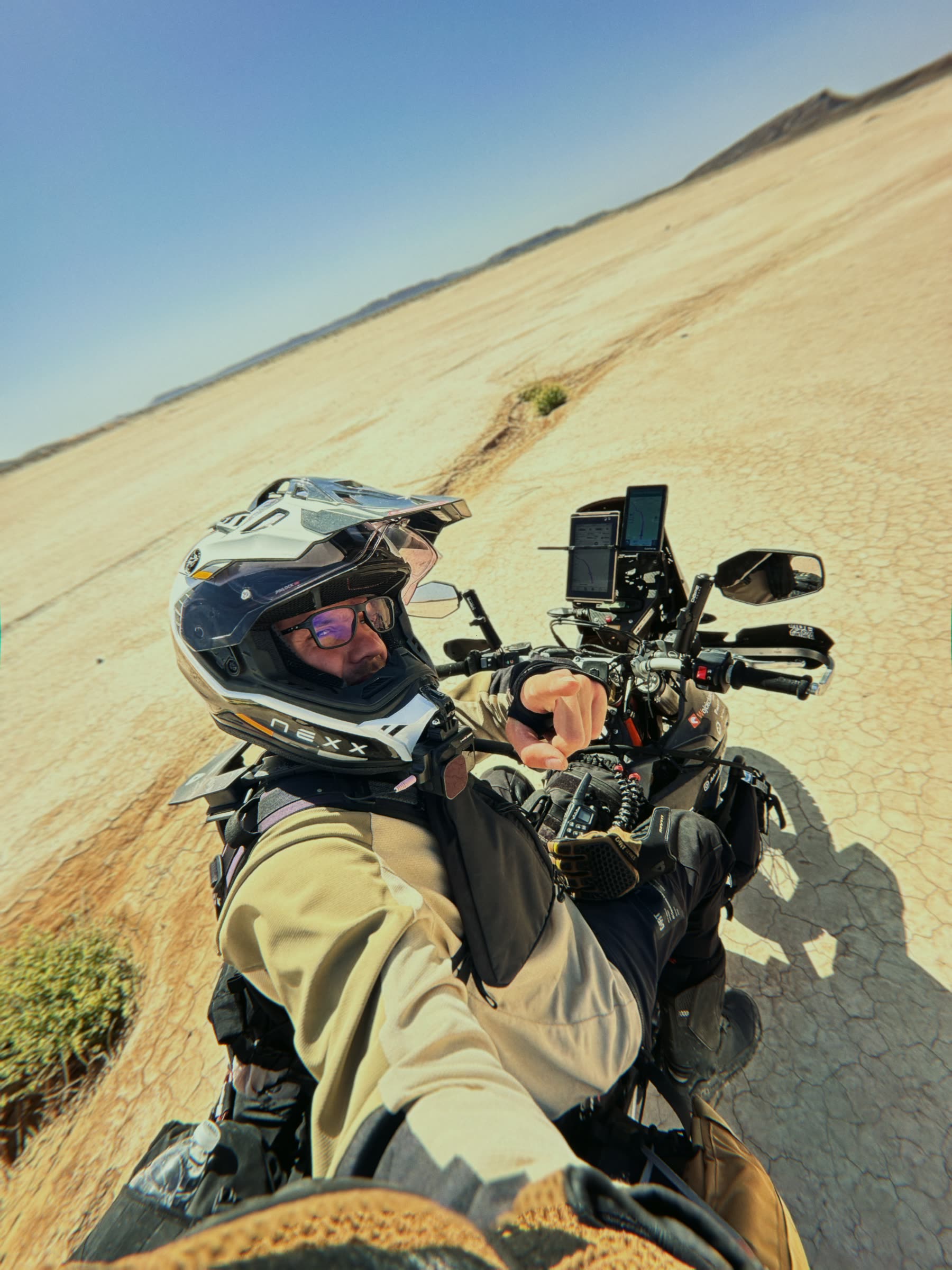
Wireless charging doesn’t always mean the battery percentage will climb quickly. With the screen at full brightness, navigation running and the temperature high, I’m mainly interested in keeping the battery level steady through a full day’s riding.
What about vibration?
This matters especially on a bike like the KTM 690.
Modern phones have optical image stabilisation and other moving camera parts that don’t take kindly to prolonged high-frequency vibration.
Peak Design builds the vibration damper into the mount itself. That saves you adding another module or building a tall stack of adapters, so the whole thing stays fairly compact.
I wouldn’t claim that any mount can guarantee your phone camera will be safe. Engine type, rev range, mounting position and how you use it all matter. Even Apple warns against exposing an iPhone to vibrations from powerful motorcycle engines for long periods.
For me, Peak Design strikes a sensible balance. The damper is always there, the phone stays steady, and it doesn’t bounce around the cockpit.
On big solo trips, I use my main phone for navigation as little as possible. I want to have a working phone in my pocket. For navigation, I use an old one I don’t mind risking.
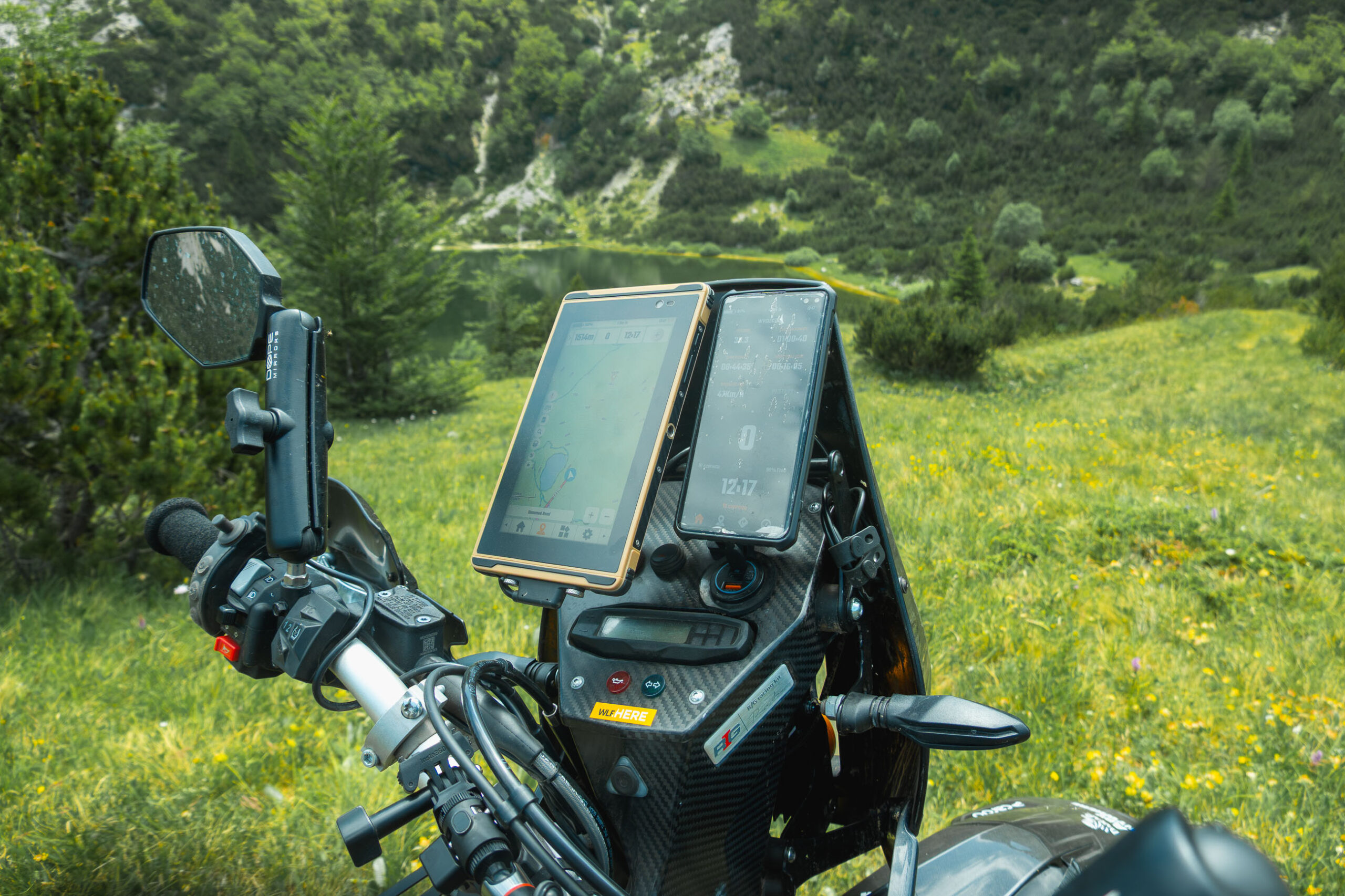
Peak Design or Quad Lock?
This is probably the comparison that comes up most often.
For me, the biggest difference is simple. With Quad Lock, you have to line the phone up with the mount and twist it. Sounds easy enough, but day-to-day I find it fiddly and awkward. Taking the phone off while pressing the lever is even worse. Yes, I know I’m nitpicking. That’s the whole point of looking closely and giving these products a fair comparison.
With Peak Design, I just bring the phone up to the mount. The magnet guides it into place and the mechanical latch locks it in. I don’t have to find the right angle or twist my wrist. When you’re taking your phone off the bike repeatedly on a trip, you really notice the difference. To release it, you press one of the two levers. In practice it happens as you grab the phone, because your fingers naturally fall into the right place behind it. Whichever hand you use, your thumb or fingers naturally press the release.
Peak Design also has built-in vibration damping and a very slim case.
What works and what bugs me about my Peak Design setup?
What I like most
Great latch
I can put the phone on without lining it up or twisting it.
One-handed operation
Easy to use even with gloves on.
One system
The KTM, the Jimny and the tripod all work with the same case.
Built-in vibration damping
There’s no extra module to buy.
Wireless charging
I put the phone on the mount and save myself from plugging in a cable at every stop.
Flexible power options
USB-C, USB-A, or SAE make it easier to match the setup to your bike.
What to keep in mind
Price
The mount, charger, and case add up to a fairly pricey setup. That’s probably the only real downside I’ve found. It’s an investment, but I guarantee it’ll last you a long time.
Dedicated case or adapter
SlimLink needs one or the other to work. Factor that into any secure system. RAM Mounts is the only one that can work without a dedicated case, but you can lose the phone before you’ve even got into third gear.
Heat
Wireless charging can make your phone even hotter, especially when you’re navigating and riding in direct sunlight. That applies across brands.
Verdict
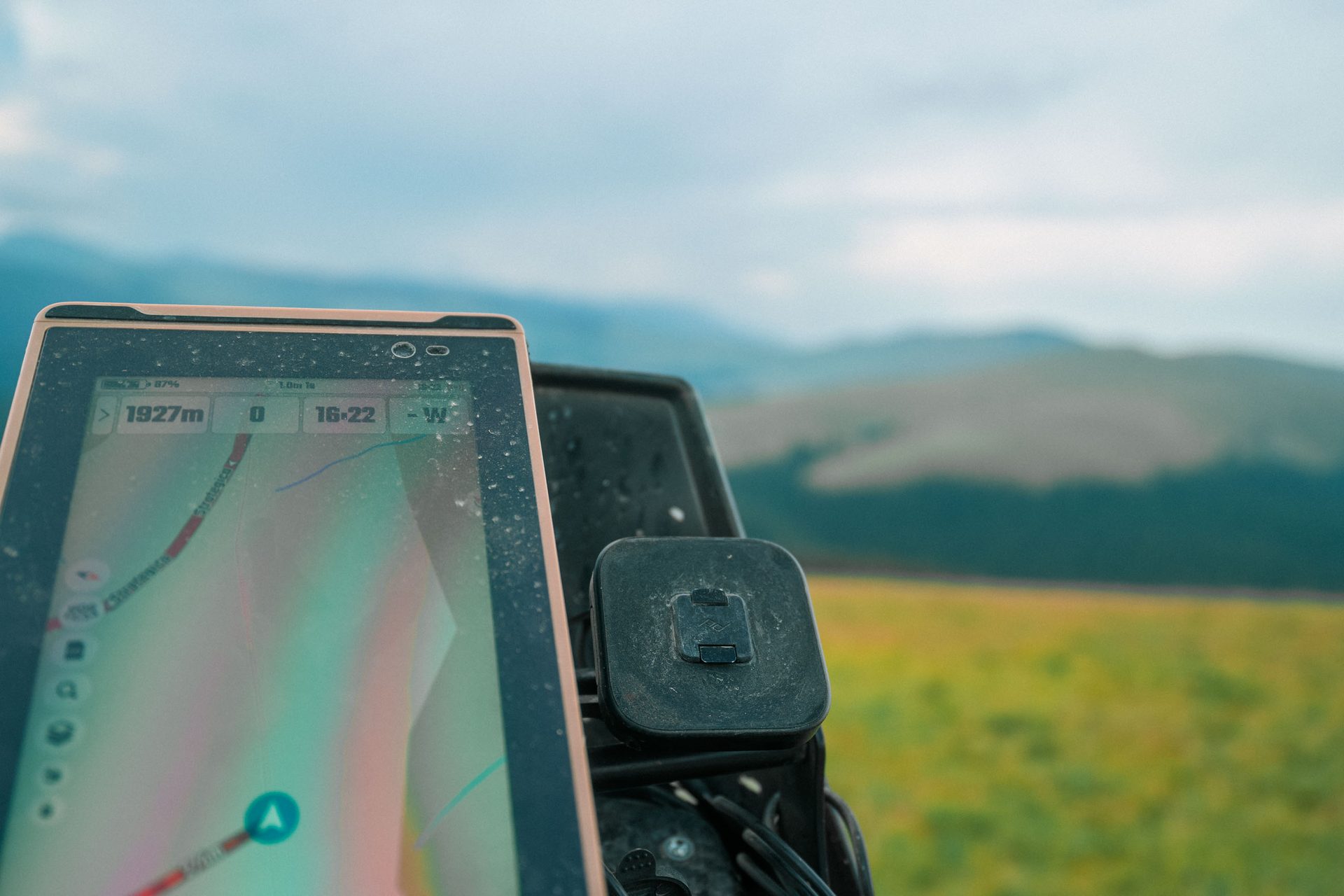
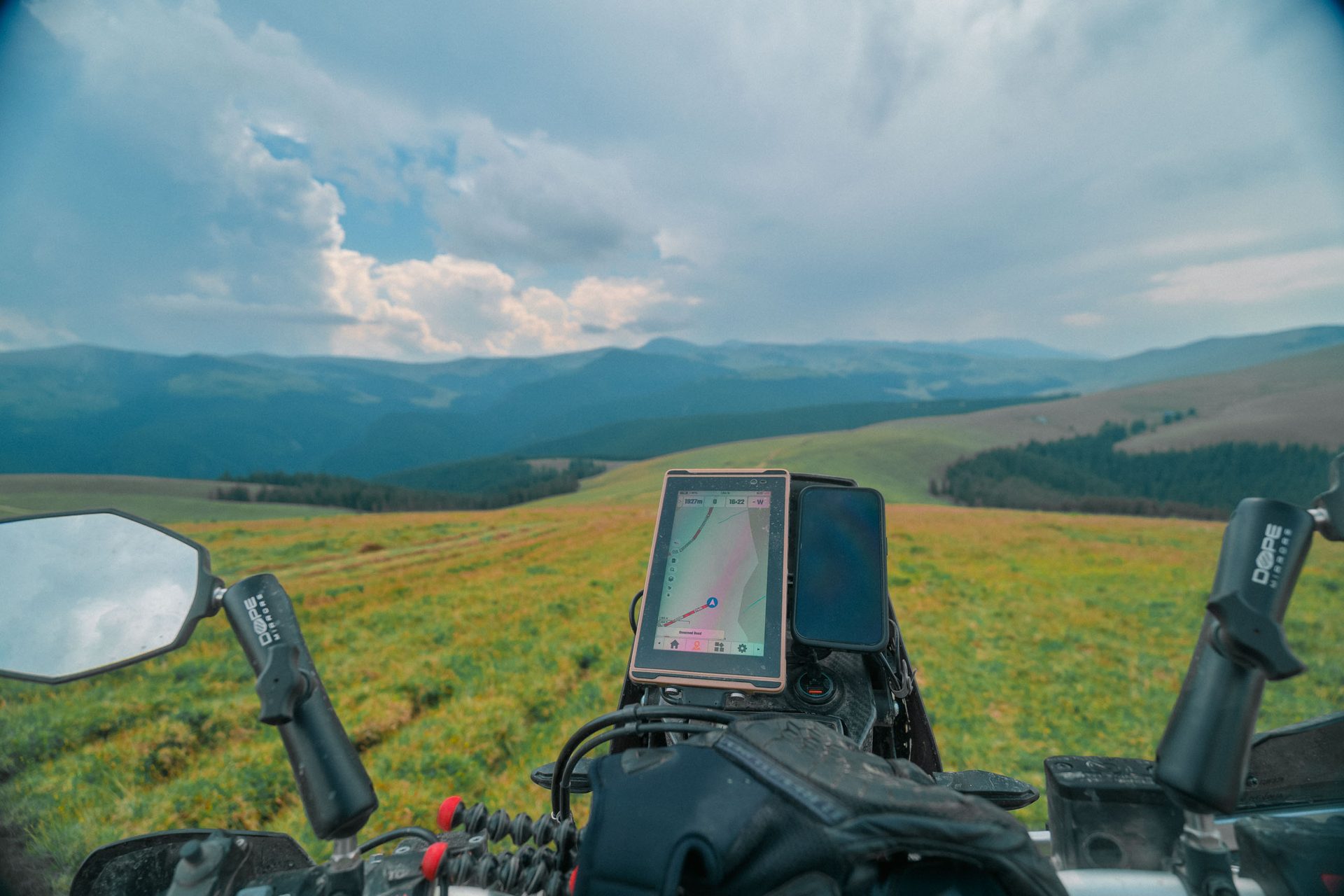
The Peak Design Motorcycle Bar Mount is on the pricey side. It’s also one of those bits of kit that just stays out of the way on a trip.
In those conditions, what I appreciated most was the secure latch, the one-handed operation, and how quickly I could take the phone off.
The same case also works with the mount in my Jimny and with the little tripod. It all adds up to a system that makes sense beyond the bike.
And I think that’s what I like most about Peak Design gear. All the bits work well together, which matters more to me than any one flashy feature.
Is it worth it?
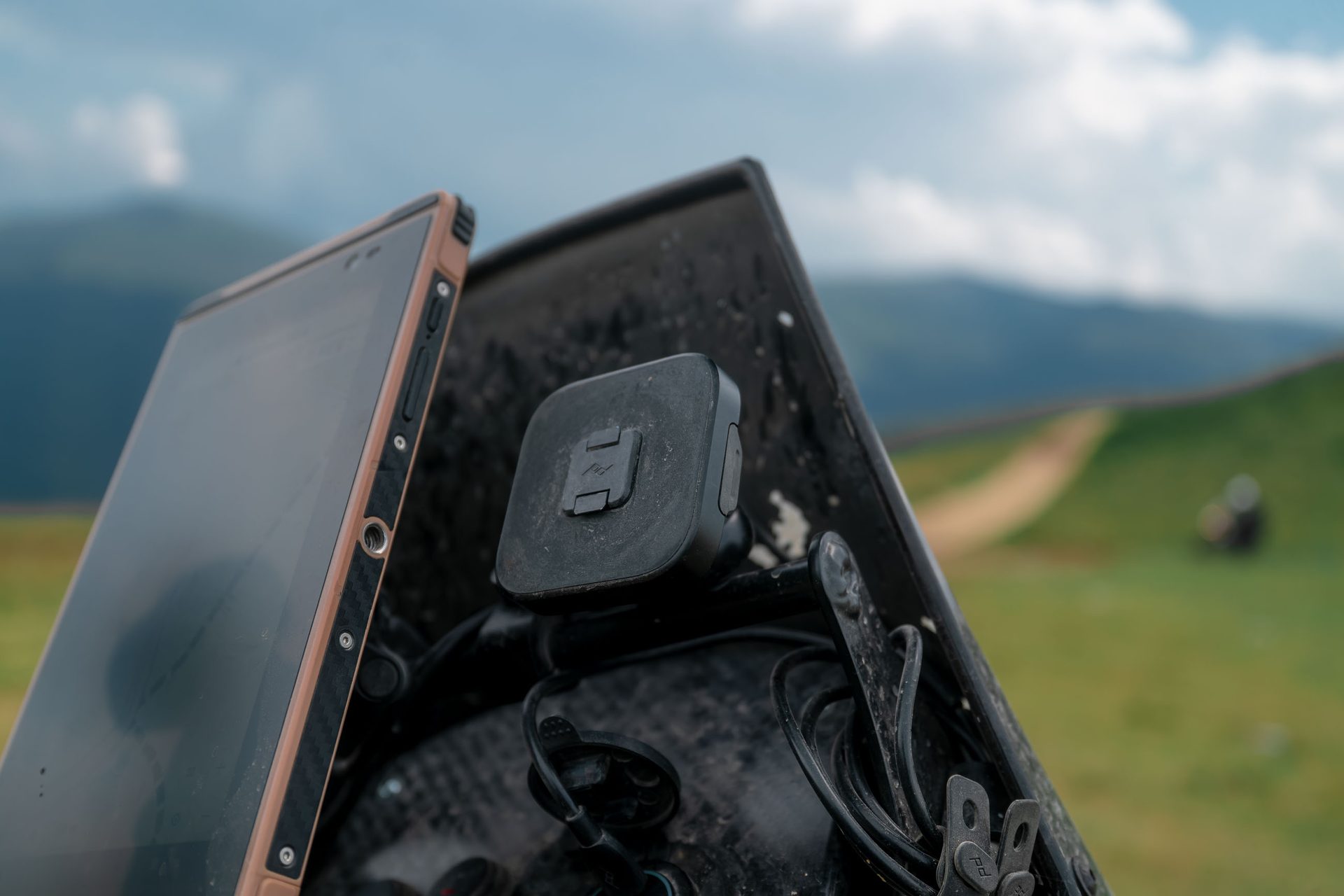
If you often use your phone for navigation and you’re fed up with twisting it, lining it up with the mount or plugging in a cable at every stop, then absolutely.
Peak Design is expensive. But at the next stop, when you lift the phone off in one natural movement and put it back just as easily, you forget about the price pretty quickly.
 Facebook
 Instagram
 Youtube